Carpenter Ant Control Service

Carpenter Ant Control Guaranteed!!
“You WILL Get The Best, Most Thorough, Professional Service You Have Ever Seen… We GUARANTEE It… Or It’s FREE!”
We Not Only Take Care of Carpenter Ants, But Also Take Care of Your Home!
5 REASONS TO CHOOSE MAJOR PEST CONTROL
- We’re committed to CUSTOMER SATISFACTION, with over thousands of Google 5 Star ratings for pest control.
- We offer a complete 58 POINT Pest Control Survey & Analysis of your home or building.
- ASSOCIATE CERTIFIED ENTOMOLOGIST and a public health specialist on staff.
- A team of EXPERIENCED PEST TECHNICIANS to carry out all pest control services.
- Our GUARANTEE is UNMATCHED by any competitors! (If you’re not happy, you don’t pay!)
CALL BY 2 P.M. FOR SAME-DAY OR NEXT-DAY AVAILABILITY!
How Do You Know It Is Carpenter Ants (Identification)
Colour
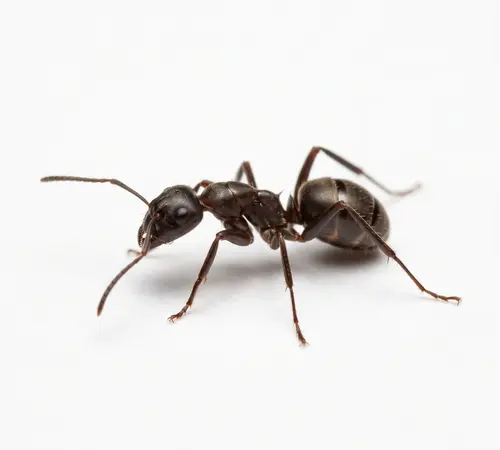
Solid black, sometimes dark red and black or brownish.
Size
Workers are 6–13 mm long.
Description
Rounded thorax, bent antennae, pinched waist with one node, strong jaws.
Notes
Often mistaken for termites. Termites have straight antennae and no pinched waist.
Quick Links
Signs You Have a Carpenter Ant Problem
Frass, noises, or swarmers usually mean an active nest is already in the structure. Don’t wait on those. When we walk into a home, these are the clues I look for:
- Large black ants wandering around, especially at night. They’re most active after dark.
- Frass below walls, baseboards or window frames. This looks like fine sawdust. It isn’t eaten wood. It’s shavings the ants push out while tunnelling.
- Faint rustling or clicking inside walls, especially in the evening.
- Winged ants (swarmers) indoors, usually in spring. This often means a mature colony is nearby.
- Smooth, clean-looking tunnels if you ever cut into damaged wood.
Where Do Carpenter Ants Live and Hide?
Carpenter ants target wood that has softened from moisture. They don’t need it all to be rotten. One damp section is enough to start a nest, and they expand into drier wood from there.
Outside:
- Tree stumps, firewood piles, fence posts, and dead or decaying trees.
- Under siding, decks and porches with water damage.
- Mulch beds pushed up against the foundation.
Inside:
- Wall voids around windows, door frames and bathrooms (plumbing leaks attract them).
- Attic rafters and roof areas with past leaks.
- Behind kitchen cabinets, under sinks and inside hollow doors.
- Crawl spaces and basement framing where moisture collects.
How a Carpenter Ant Colony Grows
By the time you see heavy frass or hear activity in a wall, you are usually dealing with a colony that has been growing quietly for a while. This is why acting early matters.
- Egg: Once the colony is established, the queen lays eggs continuously.
- Larva: Legless and fully dependent on workers for food.
- Pupa: A short resting stage before adulthood.
- Adult: Workers forage and expand the nest. The queen can live for years, so a colony can grow for a decade if ignored. It can reach several thousand ants, with satellite nests branching off the main one.
Why Do I Have Carpenter Ants?
Carpenter ants are a moisture problem wearing an insect costume. Find the damp wood, and you’ve usually found the reason they showed up. Here’s what usually brings them in:
- Moisture damage: a slow roof leak, a leaking pipe or poor grading around the foundation.
- Wood-to-ground contact: deck posts or siding touching soil directly.
- Nearby trees, stumps or firewood piles that already have a colony.
- Older, softer wood that’s easier to tunnel through.
- A satellite nest from a main colony that got established outdoors.
How Worried Should You Be About Carpenter Ants?
- Health risk: low. They don’t carry disease and rarely bite, though a handled ant can pinch.
- Property damage: the real concern. Over months and years, they weaken structural wood, and repairs get expensive once a nest is well established.
- Escalation: A few scouts in your kitchen aren’t an emergency. Frass, rustling sounds, or winged ants indoors likely mean an active nest is already in your walls, so book an inspection soon.
How to Prevent Carpenter Ants
- Fix leaks and moisture issues promptly: roof, plumbing and grading around the foundation.
- Keep firewood, stumps and lumber off the ground and away from the house.
- Trim branches so they don’t touch the roof or siding.
- Seal cracks around windows, doors and utility lines.
- Keep gutters clean so water doesn’t pool near the foundation.
- Replace or repair any wood that’s already soft or water-damaged.
When DIY isn’t enough: These steps lower your risk, but they won’t remove a colony that’s already inside. If you’ve found frass, heard activity or seen swarmers indoors, call us.
Our Carpenter Ant Control Process
- Inspect: I check for frass and moisture damage, and listen for activity in walls, attics and crawl spaces. The goal is to find the nest, including any satellite nests.
- Treat: I use targeted baiting and direct treatment aimed at the colony itself, not just the ants you can see. Killing scouts alone won’t stop the nest.
- Fix the cause: I point out the damp or damaged wood that drew them in. Treating ants without fixing the moisture usually means they come back.
- Follow up: I check back to confirm the colony is gone and that no new activity has started elsewhere on your property.
Our Service Areas for Carpenter Ant Control
Carpenter ants can quietly damage your home’s wood. Wherever you are, our local team is ready to help.
Carpenter Ant Control in Edmonton
Hearing rustling in Edmonton walls? Carpenter ants may be nesting in wood. We’ll find the colony and wipe it out.
Carpenter Ant Control in Red Deer
Sawdust piles near your Red Deer deck or logs? Carpenter ants are likely chewing in. We’ll treat the nest fast.
Carpenter Ant Control in Calgary
Big black ants wandering your Calgary house? They could be carpenter ants. We’ll trace the nest and clear them out.
FAQs About Major Pest Control Services
Generally, our carpenter ant treatment process starts at $495. But it depends on how established the colony is and how much of the structure is affected. The best way to get an accurate number is a free inspection with our team.
Carpenter ants work more slowly than termites because they tunnel through wood rather than eat it. Still, given enough time, an untreated colony can cause serious structural damage. The longer a nest goes unnoticed, the more it can weaken the wood. them. They’re most active in fall and winter, when they search for a warm place to nest.
Spraying visible ants rarely reaches the nest, so the colony survives and keeps growing. Targeted baiting that carries back to the queen works far better. A technician can also locate the nest, which spray can’t do.
Look at the antennae and waist. Carpenter ants have bent antennae and a pinched waist. Termites have straight antennae and a thick, uniform body with no waist. If you’re not sure, we can identify them during an inspection.
Almost always, yes. They’re drawn to wood that has gone soft from water damage, so finding them is often the first sign of a leak you didn’t know about. Fixing the moisture helps keep them from returning.


Need To Talk To a Real Human?
Our Phone Numbers: