Centipedes Control Service
Centipedes Control Guaranteed!!
“You WILL Get The Best, Most Thorough, Professional Service You Have Ever Seen… We GUARANTEE It… Or It’s FREE!”
Centipedes in Your Basement? We Treat Them and What Brings Them In.
5 REASONS TO CHOOSE MAJOR PEST CONTROL
- We’re committed to CUSTOMER SATISFACTION, with over thousands of Google 5 Star ratings for pest control.
- We offer a complete 58 POINT Pest Control Survey & Analysis of your home or building.
- ASSOCIATE CERTIFIED ENTOMOLOGIST and a public health specialist on staff.
- A team of EXPERIENCED PEST TECHNICIANS to carry out all pest control services.
- Our GUARANTEE is UNMATCHED by any competitors! (If you’re not happy, you don’t pay!)
CALL BY 2 P.M. FOR SAME-DAY OR NEXT-DAY AVAILABILITY!
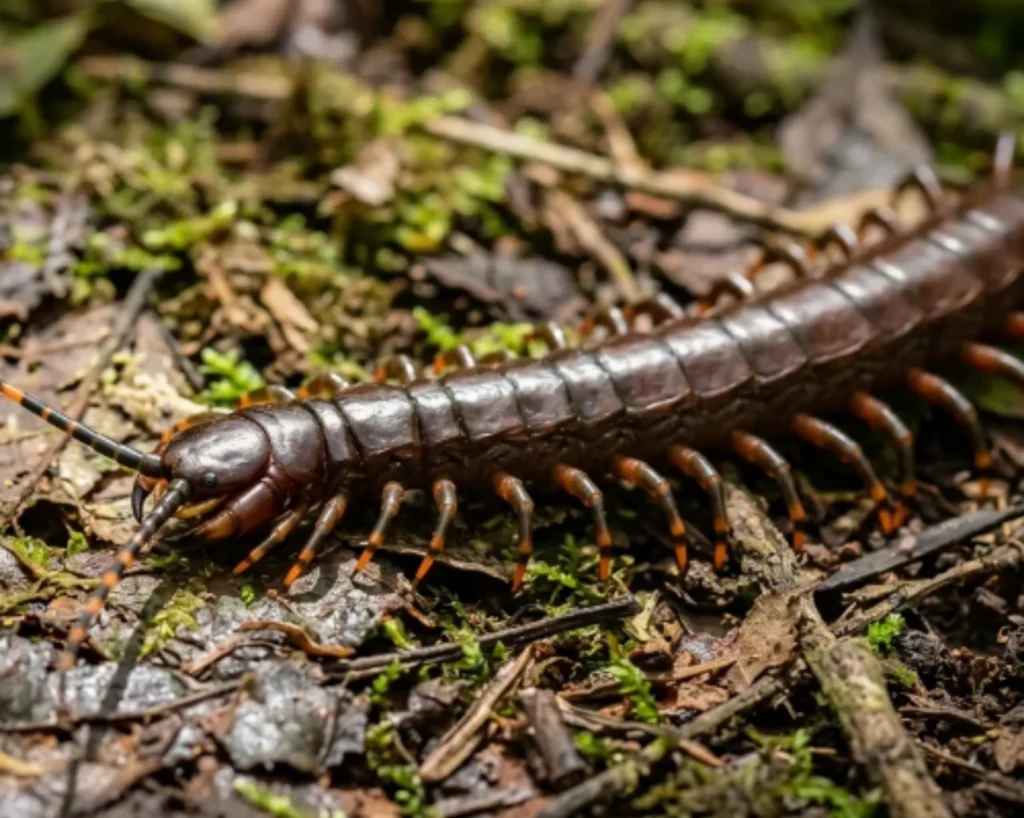
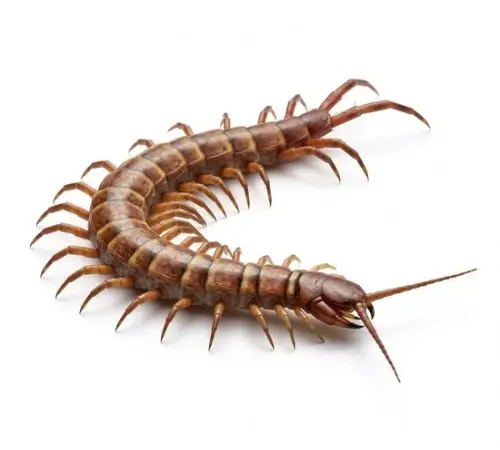
How Do You Know It Is a Centipede (Identification)
Colour
Yellowish-grey to reddish-brown. House centipedes have dark stripes on the back.
Size
Usually 2.5–5 cm long.
Description
Flat, many-segmented body; one pair of long legs per segment; long antennae; and very fast.
Notes
Millipedes are rounder and slower, and curl up when touched.
Quick Links
Signs You Have Centipedes
Centipedes hunt at night, so you usually see them when the lights come on.
- Fast, many-legged bugs running across basement floors and walls
- A centipede in the bathtub, sink or laundry area
- Regular sightings in basements, walkouts and crawl spaces
- More spiders, sowbugs, ants or silverfish along with them
- Dead centipedes along baseboards and in corners
Why Are Centipedes in My Basement?
They come in because of damp conditions and food. Centipedes eat other insects, so a basement with plenty of both is ideal.
- Moisture. Humid basements, leaks, and a broken or missing dehumidifier.
- Prey. Spiders, sowbugs, ants and silverfish give them a steady meal.
- Entry points. Foundation cracks, walkout doors, window wells and gaps around pipes.
- Quiet, undisturbed rooms. Unused basements and storage areas.
- Older or wood-foundation homes. More gaps and more moisture.
Where Do Centipedes Hide?
They stay out of sight during the day.
- Basement corners and along baseboards
- Behind boxes, storage and moisture barriers
- Under laundry, water heaters and floor drains
- Around bathrooms and sinks
- In window wells, crawl spaces and mulch beds outside
Are Centipedes Dangerous?
No, but you probably don’t want to share a basement with them.
- They rarely bite, and a nip is painful but not dangerous.
- They don’t damage your home or spread disease.
- They do eat other bugs, but that’s no reason to leave them.
- Seeing them often means you have moisture or other insects to deal with.
How to Keep Centipedes Out
The fix starts with drying out the basement and cutting off their food.
- Run a dehumidifier and fix any leaks.
- Seal foundation cracks and gaps around pipes and walkout doors.
- Clear window wells, leaves and mulch from the foundation.
- Lift boxes and storage off the floor.
- Reduce spiders, sowbugs and other insects they feed on.
Powders and sticky traps catch a few, but they don’t stop new ones coming in.
Our Centipede Control Process
- Inspect. We check the basement, foundation and exterior to find where they enter and what attracts them.
- Treat. We apply an exterior perimeter treatment and target cracks, corners, and problem areas in the basement.
- Advise. We tell you what to fix, such as moisture, gaps and storage, so they stay out.
- Follow up. If they keep appearing, we return. See our pest control guarantee.
How Much Does Centipede Control Cost?
Our price depends on your home’s size, how much of the basement needs treatment, and how severe the problem is. See our pest control costs page for more detail. A free quote gives you the real number. We serve Edmonton, Calgary and Red Deer.
Get a Free Quote
Our Service Areas for Centipede Control
Our price depends on your home’s size, how much of the basement needs treatment, and how severe the problem is. See our pest control costs page for more detail. A free quote gives you the real number. We serve Edmonton, Calgary and Red Deer.
Get a Free Quote
Related Pest Services
FAQs About Major Pest Control Services
Basements are damp, dark and full of the insects they hunt. A broken dehumidifier, leaks, foundation cracks or lots of spiders and sowbugs can bring them in. Fixing the moisture and the gaps is the key to keeping them out.
They rarely bite, and a nip is painful but not dangerous. They don’t spread disease or damage your home. The main issue is that most people don’t want fast, many-legged bugs running around their living space.
Not always. One now and then is common. If you’re seeing them daily, you likely have moisture and other insects too, and a professional inspection can find the cause.
Dry out the basement, seal cracks and gaps, and cut down the spiders and sowbugs they eat. Powders and traps help a little, but a professional treatment of the perimeter and problem areas gives longer-lasting results.
Centipedes are flat, fast and have one pair of legs per segment. Millipedes are round, slow and have two pairs per segment, and they curl up when touched. Both like damp spaces.


Need To Talk To a Real Human?
Our Phone Numbers: