Vole Control Service
Vole Control Guaranteed!!
“You WILL Get The Best, Most Thorough, Professional Service You Have Ever Seen… We GUARANTEE It… Or It’s FREE!”
We Not Only Take Care of Vole, But Also Take Care of Your Home!
5 REASONS TO CHOOSE MAJOR PEST CONTROL
- We’re committed to CUSTOMER SATISFACTION, with over thousands of Google 5 Star ratings for pest control.
- We offer a complete 58 POINT Pest Control Survey & Analysis of your home or building.
- ASSOCIATE CERTIFIED ENTOMOLOGIST and a public health specialist on staff.
- A team of EXPERIENCED PEST TECHNICIANS to carry out all pest control services.
- Our GUARANTEE is UNMATCHED by any competitors! (If you’re not happy, you don’t pay!)
CALL BY 2 P.M. FOR SAME-DAY OR NEXT-DAY AVAILABILITY!
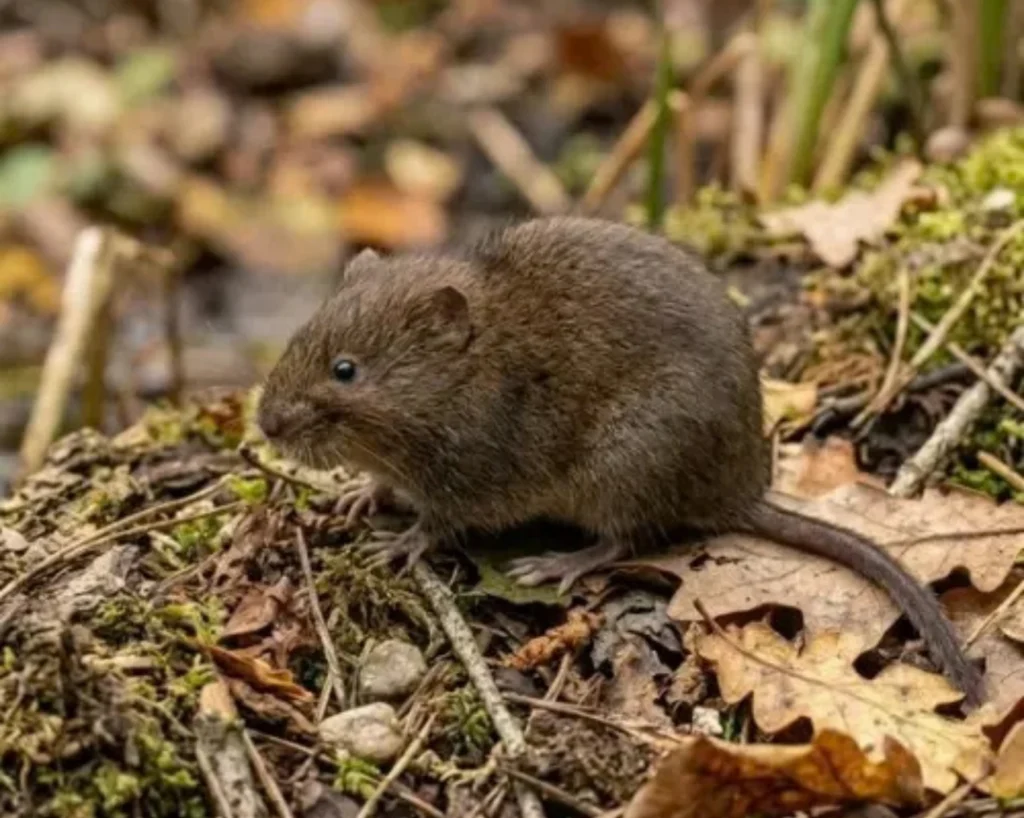
How Do You Know It Is a Vole (Identification)
Colour
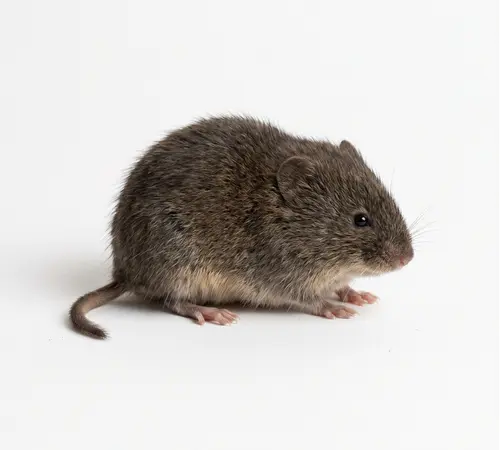
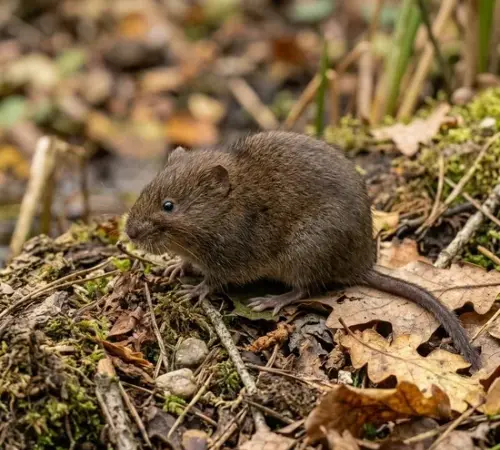
Brown to greyish-brown, with a lighter grey or tan belly.
Size
Body 10–13 cm long, with a short tail, usually only 2–3 cm.
Description
Stocky, round body, small eyes, short legs, blunt rounded nose, and a tail noticeably shorter than its body.
Notes
Often mistaken for mice. Mice have longer tails and bigger ears; voles have short tails and a chunkier, stockier build.
Quick Links
Signs You Have a Vole Problem
Voles work mostly out of sight, under grass, snow, or mulch, so the damage usually shows up before the animal does.
- Narrow, winding trails of flattened or dead grass running across the lawn, especially visible once snow melts in spring.
- Small, round burrow openings, about 4 cm wide, in the lawn, garden beds, or near the base of trees.
- Girdled or chewed bark around the base of young trees and shrubs, usually near ground level or just under old snow lines.
- Chewed roots, bulbs, or stems in garden beds, often leaving plants looking wilted for no clear reason.
- Shallow, surface tunnels you can see or feel underfoot when walking across soft lawn areas.
Where Do Voles Hide?
Voles want cover, not shelter. They build shallow runway systems through dense vegetation and avoid digging as deep as a mole.
- Thick lawns, especially areas with tall grass, groundcover, or thatch buildup.
- Garden beds, flower borders, and mulched areas with dense plant cover.
- Under snow during winter, where their runway systems stay protected and active.
- Around the base of trees, shrubs, and woodpiles where grass and debris provide cover.
- Compost piles, overgrown fence lines, and areas with leftover winter leaf litter.
How a Vole Population Grows
Voles are one of the fastest-breeding pests I deal with, so a few runways in fall can become a full lawn problem by spring.
- Litter size: Females produce 3–6 litters per year, with 3–6 young per litter.
- Maturity: Young voles can start reproducing within about a month of being born.
- Population growth: Under good conditions, a small group can multiply into dozens within a single season.
- Winter activity: Voles stay active under snow cover all winter, which is why the damage often looks worst the moment the snow melts in spring.
Why Do I Have Voles?
Voles show up because your yard gives them exactly what they need: cover and food. A few things usually shows:
- Thick, unmowed grass or heavy groundcover giving them protection from predators.
- Mulch piled high against trees, shrubs, or garden beds.
- Overgrown or weedy areas along fence lines and property edges.
- Bird feeders dropping seed onto the ground, which draws them in to feed.
- Leaf litter or debris left over winter that provides extra cover.
How Worried Should You Be About Voles?
Here’s the good news first: voles are a bigger threat to your yard than to your family. Most of the worry comes from what they do to your landscaping, not from anything they do to you.
Health risk: very low.
- Voles don’t typically carry diseases that put people at direct risk.
- They rarely come indoors, so run-ins with you or your pets are uncommon.
- Bites are rare. They usually only happen if someone tries to pick one up.
- The one indirect concern is that voles can attract snakes and other predators and increase rodent activity around your home.
Property damage: this is where they do the most damage.
- Trees and shrubs take the worst of it. Voles chew the bark at the base of young trees and shrubs, a process called girdling, which can kill the plant outright.
- Your lawn gets torn up. They leave winding trails on the surface that stay visible well into spring. In Alberta, you often don’t see the damage until the snow melts.
- Garden beds get hit too. Chewed roots, bulbs, and stems leave plants wilted or dead.
- Bulbs are a favourite. Tulips and crocuses are often eaten before they even sprout.
- Mulch beds and groundcover get flattened and tunnelled through, which wrecks the look of a landscaped yard.
- The costs add up. After a season or two of repeated damage, you may have to replace trees, shrubs, or entire garden plantings.
How to Prevent Voles
- Keep grass mowed short, especially as fall and winter approach.
- Clear fallen leaves, mulch piles, and debris away from tree bases and garden beds.
- Keep mulch a few centimetres away from tree trunks and shrub stems.
- Trim back overgrown groundcover and weedy areas along fence lines.
- Clean up spilled birdseed regularly if you have feeders.
- Use tree guards or wire mesh around the base of young trees over winter.
Our Vole Control Process
- Inspection: I walk the property to map runway trails, burrow openings, and areas with the heaviest cover to find where the population is concentrated.
- Treatment: I use targeted baiting and trapping placed directly along active runways and burrow entrances, since broad treatment across the whole lawn isn’t necessary or effective.
- Habitat correction: I point out the cover and food sources drawing voles in, like thick mulch or overgrown groundcover, since treating the population without addressing the habitat usually means they return.
- Follow-up: We check back to confirm activity has stopped, and the lawn and garden beds no longer show new damage.
Is It a Mice or a Vole?
I get asked this constantly, since both are small, brown, and show up in the same yards and gardens. Here’s how I tell them apart on-site:
Mice:
- Long tail, usually as long as the body, thin and mostly hairless.
- Large, prominent ears, easy to spot.
- Pointed, triangular nose.
- Slender, sleek body shape.
- Damage shows up indoors: chewed food packaging, droppings in cupboards, nesting inside walls.
- Signature sign: scurrying along baseboards, droppings near food sources.
Vole:
- Short tail, only 2–3 cm, barely visible against the body.
- Small ears, often tucked into the fur, hard to see.
- Blunt, rounded nose.
- Stocky, round, chunkier body shape.
- Damage shows up outdoors: chewed grass trails, girdled tree bark, damaged bulbs and roots.
- Signature sign: narrow surface runways through grass, small round burrow holes in the lawn.
Our Service Areas for Vole Control
Voles chew through lawns, garden plants, and tree bark, leaving runways across your yard. Wherever you are, our local team can trap and bait them to stop the damage.
Vole Control in Edmonton
Winding runways and chewed plants across your Edmonton lawn or garden? We’ll trap and bait the voles to stop the damage and protect your yard.
Vole Control in Calgary
Dead patches, tunnels, or gnawed tree bark on your Calgary property point to voles. We’ll remove them and help keep your landscaping from being damaged again.
Vole Control in Red Deer
Voles tearing up your Red Deer lawn, garden beds, or shrubs? We’ll trap and bait them quickly to protect your yard.
FAQs About Major Pest Control Services
Generally, our vole control process starts at $495. It depends on your property size and how established the population is. The best way to get an accurate number is a free inspection with our team.
Mow the grass short and clear away mulch and debris piled against trees and garden beds first, since that removes their cover. For an active population, targeted baiting or trapping along their runways works far better than broad treatments across the whole lawn.
Voles eat grass, roots, and bark, and create shallow surface trails. Moles eat insects and worms, and create raised ridges from deeper tunnelling. If you’re seeing flattened grass trails rather than raised dirt mounds, it’s almost always a vole.
Rarely. Voles prefer staying outdoors in grass, mulch, and garden cover, and they don’t typically seek shelter indoors the way mice do.
Right after snow melts in spring. Voles stay active under the snow all winter, so damage that built up over months becomes visible all at once once the ground is clear.

Need To Talk To a Real Human?
Our Phone Numbers: