Fly Control Service
Fly Control Guaranteed!!
“You WILL Get The Best, Most Thorough, Professional Service You Have Ever Seen… We GUARANTEE It… Or It’s FREE!”
Flies Are a Sign Something Needs Attention. We Find The Source And Remove It.
5 REASONS TO CHOOSE MAJOR PEST CONTROL
- We’re committed to CUSTOMER SATISFACTION, with over thousands of Google 5 Star ratings for pest control.
- We offer a complete 58 POINT Pest Control Survey & Analysis of your home or building.
- ASSOCIATE CERTIFIED ENTOMOLOGIST and a public health specialist on staff.
- A team of EXPERIENCED PEST TECHNICIANS to carry out all pest control services.
- Our GUARANTEE is UNMATCHED by any competitors! (If you’re not happy, you don’t pay!)
CALL BY 2 P.M. FOR SAME-DAY OR NEXT-DAY AVAILABILITY!
How Do You Know It Is a Fly (Identification)
Colour
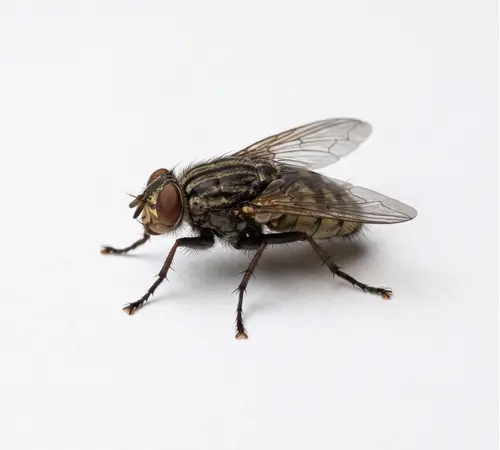
Grey, black, or sometimes metallic green/blue.
Size
About 2-16 mm long.
Description
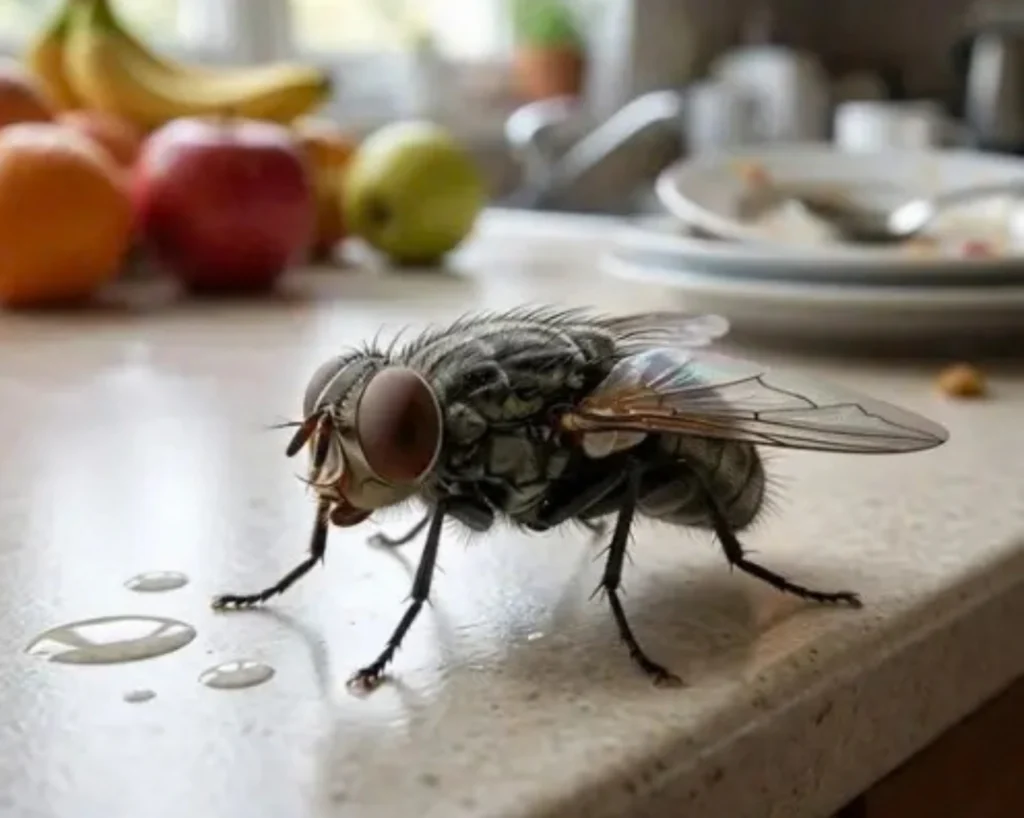
Small flying insect with big eyes and fast, darting movement.
Notes
Often found near food, garbage, drains, or windows. Different fly types need different treatment.
Quick Links
What Kind of Fly Do You Have?
Not sure which fly you have? Catch a few on tape and send us a photo. We’ll identify it before we show up.
| Fly | Colour | Size | Key Notes |
|---|---|---|---|
| House Fly | Light grey, dark thorax stripes | 4–7.5 mm | Lands on food and spreads bacteria |
| Cluster Fly | Dark grey, golden hairs | 8–10 mm | Enters in fall; clusters in walls and attics |
| Blow Fly | Metallic blue, green or copper | 6–16 mm | Signals a nearby decay source |
| Fruit Fly | Yellow-brown to black | 2.5–4 mm | Hovers near overripe fruit and drains |
| Drain Fly | Dark grey, fuzzy wings | 1.5–5 mm | Breeds in slow drains |
Signs You Need Fly Control
I’ve seen in many Edmonton kitchens where the homeowner thought they just had “a couple of flies from the back door.” By the time we inspected, an active breeding site under the sink had gone unnoticed for months.
Here’s what to watch for:
- Flies showing up in the same room or spot every day.
- Clusters of flies on windows, especially upper floors. That’s a classic sign of cluster flies in Alberta homes in fall.
- A sudden surge after warm weather or garbage day.
- Small, worm-like maggots near garbage cans, drains or compost.
- A foul or sweet, fermenting smell near drains, recycling or kitchen waste.
- Flies around sinks, floor drains or standing moisture.
- Metallic or shiny flies indoors. Those are blow flies, and they’re usually near a dead animal or decaying material.
Where Do Flies Live and Breed?
This is the part most people miss. In my experience, the breeding site is almost always within a few metres of where you keep seeing flies. It’s often hidden: inside a drain, under the fridge, or in a wall void you can’t see.
Outside your home:
- Compost bins, uncovered garbage containers and recycling.
- Pet waste in the yard.
- Standing water in planters, gutters or low spots in the lawn.
- Dead animals under a deck or in a crawl space.
Inside your home:
- Slow or gunked-up floor and sink drains.
- Garbage bins that haven’t been emptied or cleaned.
- Overripe fruit on counters.
- Spills and organic residue under appliances.
- Wall voids and attic spaces (cluster flies especially).
- Ceiling voids on the south or west side of the house, since cluster flies follow the sun.
Fly Life Cycle: Why Fly Infestations Grow So Fast
The full cycle from egg to flying adult can take as little as 7–10 days in warm conditions. Alberta summers are warm enough for multiple generations in a single month. That’s why a “small” fly problem in July can feel overwhelming by August.
- Egg: A female house fly can lay up to 500 eggs in her lifetime, in batches of 75–150, on decaying organic matter.
- Larva (maggot): Eggs hatch in 12–24 hours. Maggots feed and grow fast.
- Pupa: After 4–7 days, larvae form a hard brown casing. They’re not moving, but they’re still developing.
- Adult: Adults emerge in 3–6 days and are ready to feed and mate within hours.
Why Do I Have Flies in My House?
Flies don’t show up without a reason. Alberta’s short, intense summers speed up breeding, and the drop in fall temperatures pushes large numbers of cluster flies indoors. Here’s what I see most often in Alberta homes:
- Unsealed food and organic waste. Even a thin layer of grease behind a stove is enough.
- Slow or dirty drains. Drain flies can complete their whole life cycle inside your pipes.
- Gaps around windows, doors and soffit vents. This is how cluster flies get into your walls every fall.
- A dead animal nearby, under a deck, in a wall or in the attic. Blow flies are the first sign.
- Compost or uncovered recycling near the house, a major attractant for house flies and fruit flies.
- Warm south-facing walls. Homes in Edmonton and Red Deer with lots of sun exposure often get cluster flies from late August into September.
Fly Control by Fly Type: What Works for Each
The right fly control method depends on the species.
- House flies: Remove the breeding material (garbage, pet waste, compost), then treat the perimeter and problem areas.
- Cluster flies: They don’t breed indoors, so treat wall voids and attics, and seal entry points before next fall.
- Blow flies: Find and remove the dead animal or decaying source first. Insecticide alone won’t solve it.
- Fruit flies: Remove overripe produce and clean drains and bins. Most clear up within a couple of weeks.
- Drain flies: Clean and treat the drain itself, where the larvae live.
How Worried Should I Be About Flies?
It depends on the species, but none of them belong in your home.
- Spreading risk: House flies can carry bacteria picked up from garbage, sewage and decaying matter, and transfer them to food and prep surfaces. They’re associated with the spread of pathogens like E. coli and Salmonella.
- Fruit flies and drain flies are less of a direct health threat, but they signal unsanitary conditions and are harder to get rid of than they look.
- Property signal: Blow flies clustering indoors almost always mean a dead animal somewhere in the structure. That’s a second problem you need to find and remove.
- Escalation speed: Fast. A single breeding site left alone for two weeks in summer can produce hundreds of adults. Cluster flies don’t breed indoors, but once they’ve found a way in, they’ll use the same routes every year.
How to Prevent Flies in Your Home
Prevention works well for house flies and fruit flies. For cluster flies, sealing entry points in late summer is the best long-term fix. If they’re already in your wall voids, you need professional fly control to clear them out before they overwinter. Work through this checklist:
- Empty and clean garbage and recycling bins at least weekly, and keep lids tight.
- Refrigerate fruit once it starts to ripen.
- Clean drains monthly with boiling water, then a bio-drain cleaner.
- Pick up pet waste from the yard regularly.
- Seal gaps around windows, door frames and soffit vents before late August.
- Repair torn window screens.
- Keep compost bins away from the house and use a proper lid.
- Clean under and behind appliances, where grease and food residue build up.
Can You Get Rid of Flies Yourself?
Can You Get Rid of Flies Yourself?
Sometimes. With a handful of fruit flies, removing the breeding source will clear them up within a couple of weeks. Fly traps and sticky tape can knock back numbers while you track down the source.
The trouble is that most fly problems involve a breeding site you haven’t found. Kill the adults without removing the source, and you’re only buying a few days.
Call a professional if:
- Flies appear daily despite cleaning and trapping.
- You see maggots anywhere indoors.
- You suspect cluster flies in the walls or attic.
- You see metallic blow flies, which point to a hidden decay source.
- Flies are affecting a food-handling business or rental property.
- DIY hasn’t worked after two weeks.
How Much Does Fly Control Cost in Alberta?
Our fly control service starts at $650, which includes a wet perimeter treatment of your home and all identified problem areas.
Final pricing depends on:
- The fly species involved
- The size and type of the breeding site
- Whether activity is indoors, outdoors or both
- Property size
- The number of treatments needed
The fastest way to get an accurate number is a free quote. We’ll tell you exactly what you’re dealing with before we start any work.
Our Fly Control Process
- Inspect and identify: We find the source and confirm the species.
- Treat: Targeted wet treatment of the perimeter and problem areas, plus direct drain or wall void treatment.
- Seal: We point out the entry points to close before next season.
- Monitor: If flies return during the warranty period, so do we.
- Report and guarantee: You get a full account of the work. Not happy? You don’t pay.
We also provide commercial fly control for restaurants, food facilities and rental properties.
Our Service Areas for Fly Control
Flies show up fast and multiply even faster. Wherever you are, our local team is ready to help.
Fly Control in Edmonton
Flies swarming your Edmonton home, patio, or business? We’ll treat the perimeter and problem spots to stop them at the source.
Fly Control in Calgary
Flies buzzing around your Calgary yard, garage, or storefront all day? We’ll spray the perimeter and trouble areas so you can breathe easy.
Fly Control in Red Deer
Can’t enjoy your Red Deer deck because of flies everywhere? We’ll treat the perimeter and hot spots to get them under control.
Related Pest Services
FAQs About Major Pest Control Services
Find and remove the breeding source, then treat the problem areas. Common sources are clogged drains, uncovered garbage, rotting food or a hidden dead animal. If flies keep returning after two weeks of cleaning, book an inspection.
No. They don’t bite, sting or breed indoors. But they can enter by the thousands in fall and reuse the same entry points every year unless those are sealed and treated.
Decaying material such as dead animals, rotting garbage or meat. Metallic flies indoors almost always mean a decay source nearby, possibly inside a wall or crawl space.
Yes. They breed in the organic film inside slow drains, even when pipes look clean. The drain itself needs treatment.
House flies and fruit flies usually improve within 24–48 hours of removing the source and treating. Cluster flies in walls can take one to two treatments.

Need To Talk To a Real Human?
Our Phone Numbers: