Moth Control Service
Moth Control Guaranteed!!
“You WILL Get The Best, Most Thorough, Professional Service You Have Ever Seen… We GUARANTEE It… Or It’s FREE!”
Moths in Your Closet or Kitchen? Killing the Ones You See Won't Stop Them. We Find the Source.
5 REASONS TO CHOOSE MAJOR PEST CONTROL
- We’re committed to CUSTOMER SATISFACTION, with over thousands of Google 5 Star ratings for pest control.
- We offer a complete 58 POINT Pest Control Survey & Analysis of your home or building.
- ASSOCIATE CERTIFIED ENTOMOLOGIST and a public health specialist on staff.
- A team of EXPERIENCED PEST TECHNICIANS to carry out all pest control services.
- Our GUARANTEE is UNMATCHED by any competitors! (If you’re not happy, you don’t pay!)
CALL BY 2 P.M. FOR SAME-DAY OR NEXT-DAY AVAILABILITY!
How Do You Know It Is a Moth (Identification)
Colour
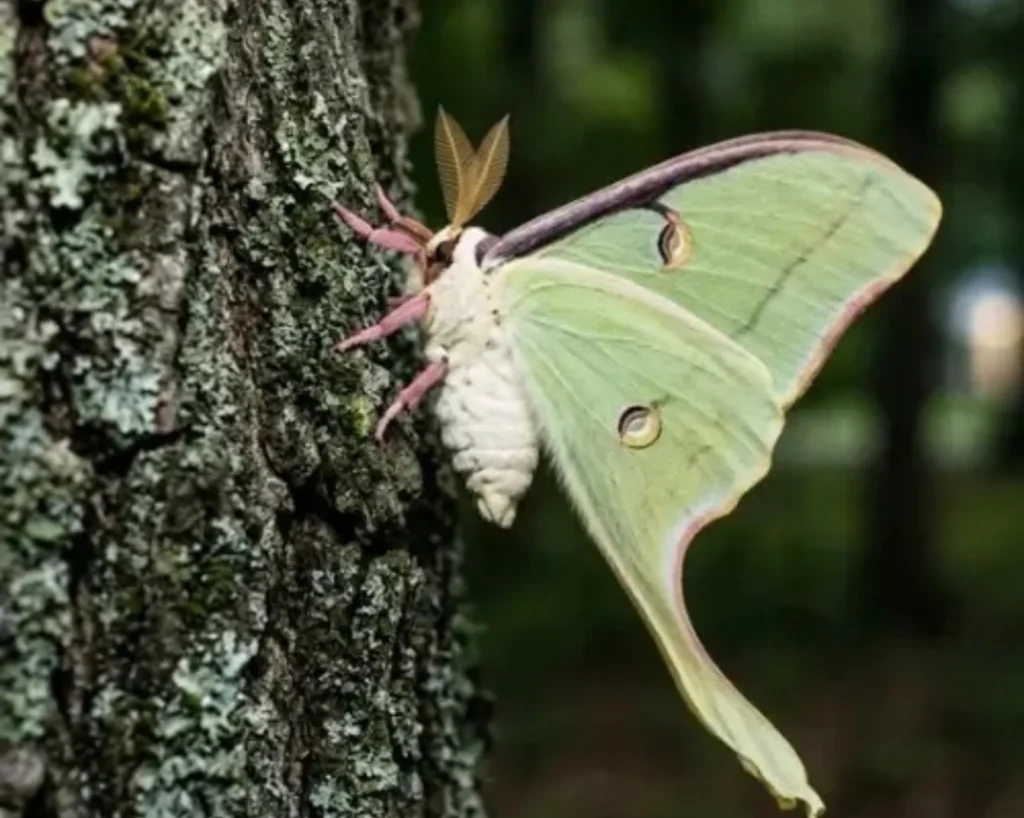
Clothes moths are plain golden-tan. Pantry moths have grey wings with coppery tips.
Size
Clothes moths are about 6-8 mm long. Pantry moths are slightly larger, with a 16-20 mm wingspan.
Description
Small, delicate moths. Clothes moths avoid light and run for cover. Pantry moths fly in zigzags near food.
Notes
The larvae (small cream caterpillars) cause the damage, not the adult moths. Send us a photo if you're unsure.
Quick Links
Clothes Moths or Pantry Moths?
They look similar at a glance, but they live in different places, eat different things and need different fixes. Knowing which one you have is the first step.
Clothes Moths | Pantry Moths | |
Found in | Closets, bedrooms, carpets, storage | Kitchen, pantry, cupboards |
They eat | Wool, silk, fur, feathers, pet hair, soiled fabric | Flour, cereal, grains, nuts, dried fruit, pet food, birdseed |
You’ll see | Small tan moths, holes in fabric, silky webbing | Zigzagging moths, webbing and clumps in food |
Fix starts with | Finding and cleaning infested items | Throwing out infested food |
Signs You Have Moths
Adult moths are only part of the picture. The larvae do the damage and stay hidden, so the clues they leave behind often show up first.
- Small tan moths in closets, or zigzagging grey and copper moths in the kitchen.
- Holes or bare patches in wool, cashmere, silk or fur.
- Fine silk webbing, tubes or tiny cases on fabric, carpet edges or in food.
- Clumps of food stuck together with webbing.
- Cream-coloured caterpillars with brown heads in food or on fabric.
- Larvae crawling up walls or across ceilings, looking for a place to pupate.
Where Do Moths Hide?
Moths lay eggs in dark, undisturbed spots close to something the larvae can eat. These are the places we check first.
- Closets, dressers and drawers with wool, silk or fur
- Under beds, sofas and other furniture, where pet hair collects
- Carpet edges, baseboards and under rugs
- Storage boxes and bags with clothes kept for a long time
- Pantry shelf corners, cupboard hinges and shelf edges
- Opened bags of flour, cereal, pet food and birdseed
- Attics and wall voids with old nests or dead insects
Why Do I Have Moths?
A clean home can still get moths. They usually arrive from outside or hitch a ride on something you bring in.
- Moths arrive on second-hand clothing, furniture, rugs and boxes.
- Adult clothes moths fly in through windows and doors, and lay eggs on soiled or stored fabric.
- Pantry moth eggs often come in with groceries, so even new bags of flour, cereal, nuts or pet food can already be infested.
- Larvae can chew through thin plastic and cardboard, so a clean pantry isn’t always safe.
- Pet hair, lint and dust give clothes moth larvae a steady supply of food.
- Clothes stored dirty, or not touched for months, make easy targets.
How We Get Rid of Moths
Our treatment goes after the larvae and eggs where they hide, not just the moths flying around. Here’s what a visit looks like.
- Identify. We confirm whether it’s clothes moths, pantry moths or both.
- Find the source. We check closets, furniture, carpet edges, cupboards, and any stored items to find where the larvae live.
- Treat the hiding spots. We apply a professional product to baseboards, carpet edges, closets, voids and cracks. We never apply it on food or in food-contact areas.
- Tell you what to clean or toss. You’ll get a clear list of items to wash, dry-clean or discard.
- Report and guarantee. You’ll know what we found and treated. If moths keep showing up during your warranty period, we return and re-treat at no extra cost.
Pets or kids at home? Tell us when you book, and we’ll explain what to do on the day.
What You Can Do Yourself
Treatment works best when you deal with the source items at the same time. Steps vary depending on the type of moth.
For clothes moths
- Wash or dry-clean affected items, then dry on high heat
- Freeze items that can’t be washed in sealed bags for at least a week
- Vacuum closets, baseboards and under furniture, then empty the vacuum outside
- Store clean wool and silk in sealed containers
- Clean up pet hair and lint
For pantry moths
- Check every opened package of flour, cereal, nuts, dried fruit, pet food and birdseed
- Throw out anything with webbing, clumps or larvae
- Vacuum shelves, corners and cupboard edges
- Store dry food in glass or metal containers with tight lids
Pheromone traps only catch male moths. They show how bad it is, but they won’t solve the problem on their own.
How Much Does Moth Control Cost?
The price depends on the moth type, your home’s size, how many rooms and closets are affected, and how long it’s been going on. A photo helps us give you a quick answer.
Our Service Areas for Moth Control
Moths hide in pantries, closets, and stored fabrics, and a few can quickly become a full-blown infestation. Wherever you are, our local team can find the source and eliminate them.
Moth Control in Edmonton
Moths fluttering around your Edmonton kitchen, closets, or stored clothing? We’ll track down where they’re breeding and treat the area to stop them from coming back.
Moth Control in Calgary
Chewed fabrics or webbing in your Calgary pantry or wardrobe suggest moths are already nesting. We’ll locate the source and treat it to keep your home protected.
Moth Control in Red Deer
Finding moths in your Red Deer cupboards, carpets, or closets? We’ll pinpoint the problem areas and treat them to keep the infestation from spreading.
Related Pest Services
FAQs About Major Pest Control Services
Find and remove the source. For clothes moths, wash, dry-clean or freeze affected items and vacuum closets and floors. For pantry moths, throw out infested food and clean shelves. If they keep coming back, professional treatment reaches the larvae you can’t see.
Clothes moths arrive on used clothing, rugs and furniture, or fly in from outside. Pantry moths usually come in with flour, cereal, nuts or pet food. Either type can be in a clean home.
Clothes moths are plain tan, avoid light and damage fabric. Pantry moths have grey wings with coppery tips, fly near food and infest dry goods. They need different fixes.
No. Moths don’t bite or spread disease. Clothes moth larvae damage fabric, and pantry moth larvae contaminate food, so throw away anything they’ve touched.
Eggs and larvae hide in cracks, fabric and sealed packages, and new moths keep hatching for weeks. You may also have a second source, like a forgotten box or an old bag of pet food. If you’re still seeing them after a few weeks, call us.

Need To Talk To a Real Human?
Our Phone Numbers: