Boxelder Bug Control Service
Boxelder Bug Control Guaranteed!!
“You WILL Get The Best, Most Thorough, Professional Service You Have Ever Seen… We GUARANTEE It… Or It’s FREE!”
We Not Only Take Care of Boxelder Bugs, But Also Take Care of Your Home!
5 REASONS TO CHOOSE MAJOR PEST CONTROL
- We’re committed to CUSTOMER SATISFACTION, with over thousands of Google 5 Star ratings for pest control.
- We offer a complete 58 POINT Pest Control Survey & Analysis of your home or building.
- ASSOCIATE CERTIFIED ENTOMOLOGIST and a public health specialist on staff.
- A team of EXPERIENCED PEST TECHNICIANS to carry out all pest control services.
- Our GUARANTEE is UNMATCHED by any competitors! (If you’re not happy, you don’t pay!)
CALL BY 2 P.M. FOR SAME-DAY OR NEXT-DAY AVAILABILITY!
How Do You Know It Is a Boxelder Bug (Identification)
Colour
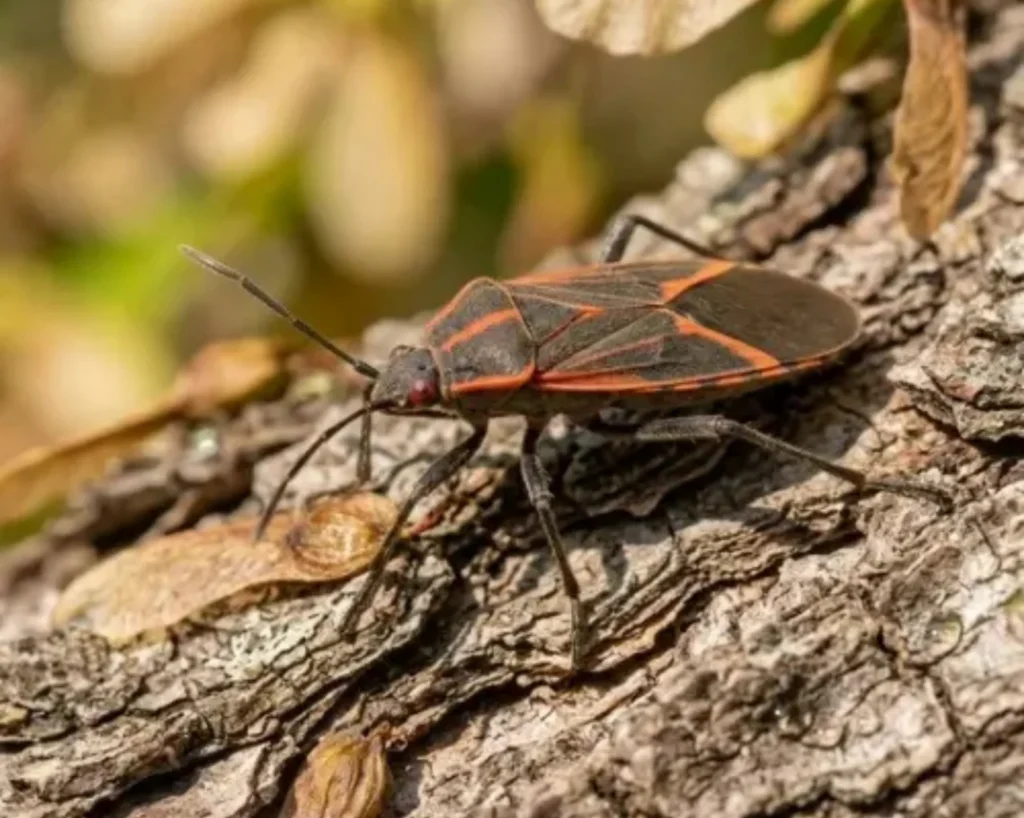
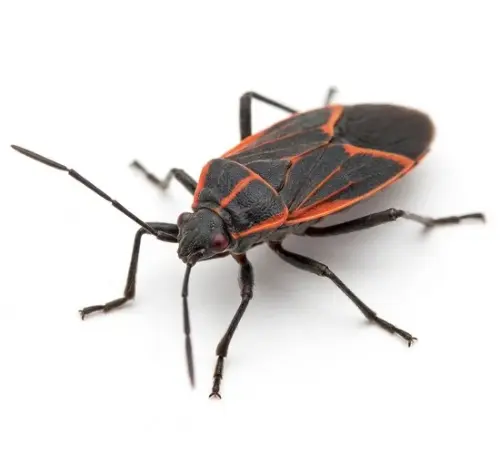
Black with red or orange markings. Nymphs are bright red with black patches.
Size
Adults are about 12 mm (½ inch) long. Nymphs are much smaller.
Description
Flat, oval body with long antennae. Three red lines sit behind the head, and thin red lines edge the wings.
Notes
Boxelder bugs gather in large groups. Red-shouldered bugs and other true bugs look similar but rarely cluster on house walls.
Quick Links
Signs You Have a Boxelder Bug Problem
Boxelder bugs are easy to spot once they show up, usually in big groups rather than alone:
- Clusters of black-and-red bugs sunning themselves on south- or west-facing walls, siding, or windows.
- Groups gathering around boxelder, maple, or ash trees in your yard.
- Bugs crawling along window and door frames, trying to get inside.
- Dead bugs piling up on windowsills, porches, or inside wall voids.
- A sudden swarm appearing in fall as temperatures drop, or in spring as they come out of hiding.
- Reddish-brown stains on curtains, walls, or carpets from crushed bugs.
Where Do Boxelder Bugs Live and Hide?
Boxelder bugs don’t nest or breed indoors. They come inside purely to escape the cold, then hide in these out-of-the-way spots until the weather warms up again.
Outside:
- On the bark and in the seed pods of boxelder, maple, and ash trees.
- Under leaf litter, mulch, and ground cover near host trees.
- In cracks in tree bark, rock piles, and woodpiles.
- Along the sunny south and west sides of buildings, where they bask in the warmth.
Inside:
- Wall voids, attics, and soffits where they overwinter.
- Around window frames, door frames, and siding gaps.
- Behind baseboards and inside light fixtures.
- In crawl spaces and other quiet, undisturbed areas.
How Fast Does a Boxelder Bug Population Grow?
Boxelder bugs go through three main life stages:
- Egg: Females lay eggs in bark cracks, on leaves, or on the host tree itself, usually in spring.
- Nymph: Small, bright red, wingless young that look similar to adults but are smaller. They feed on seeds, leaves, and soft plant tissue.
- Adult: After several weeks of feeding and growing, nymphs develop wings and the black-and-red adult colouring.
Why Do I Have Boxelder Bugs on My House?
A hot summer followed by a cool fall often triggers the biggest swarms, as the bugs look for somewhere warm to wait out the winter. Boxelder bugs show up because of what’s growing nearby and what your home offers them:
- A female boxelder, maple, or ash tree on or near your property (the bugs feed on seeds and leaves).
- Warm, sunny walls that boxelder bugs use to bask, especially in fall
- Gaps around windows, doors, siding, and vents that let them in easily.
- A need for a warm place to spend the winter as temperatures drop.
- Light-coloured or sun-exposed exterior walls, which seem to attract larger clusters.
How Worried Should I Be About Boxelder Bugs?
Boxelder bugs are mostly a nuisance, not a hazard.
- Health: They don’t bite, sting, or spread disease. In rare cases, their piercing mouthparts can cause minor skin irritation if you handle them, but this isn’t common.
- Property damage: They don’t damage wood, wiring, or structures. The main issue is staining from crushed bugs and the unpleasant odour they can release when disturbed.
- How fast it escalates: A few bugs sunning on your siding usually isn’t urgent. Large numbers getting indoors every fall, or finding dead bugs inside walls, point to an established overwintering group that will likely return every year unless you address the entry points and the trees attracting them.
How to Prevent Boxelder Bugs
- Seal cracks and gaps around windows, doors, siding, and utility penetrations.
- Install or repair window and door screens.
- Remove or reduce female boxelder, maple, and ash trees near the home where possible.
- Rake up and dispose of seed pods and leaf litter close to the foundation.
- Keep mulch and ground cover a few inches away from exterior walls.
- Vacuum up clusters you find indoors instead of crushing them, to avoid stains and odour.
- Caulk gaps around siding, soffits, and fascia boards before fall.
Our Boxelder Bug Control Process
- Inspection: We walk the property, identify host trees, sunny gathering spots, and the entry points bugs are using to get inside.
- Treatment plan: Based on the season and severity, we apply targeted exterior treatments to resting and entry areas, focusing on walls, foundations, and window and door frames.
- Sealing recommendations: We flag gaps and cracks that need caulking or screening to cut off future access.
- Follow-up: Boxelder bugs often return seasonally, so we check back as needed to keep numbers down year after year.
Related Pest Services
FAQs About Major Pest Control Services
It depends on the size of your property, the severity of activity and the amount of treatment needed. Call or request a quote for a clear price.
Late summer to early fall, before they move into your home. We can still help at other times of year, but timing makes a big difference to results.
Not if they’re sheltered. Adults overwinter in walls, attics and other protected spots, then become active on warm days. That’s why they appear indoors in the middle of winter.
Rarely. Boxelder bugs feed on plant seeds and leaves, not people. If you squeeze one against your skin, it may pierce it, but the result is usually a small, mild irritation at most.
No. They don’t spread disease, damage structures or breed indoors. Their droppings can stain surfaces, and they smell when crushed. A bite is rare and harmless. They’re a nuisance, not a health threat.

Need To Talk To a Real Human?
Our Phone Numbers: