Cluster Fly Control Service
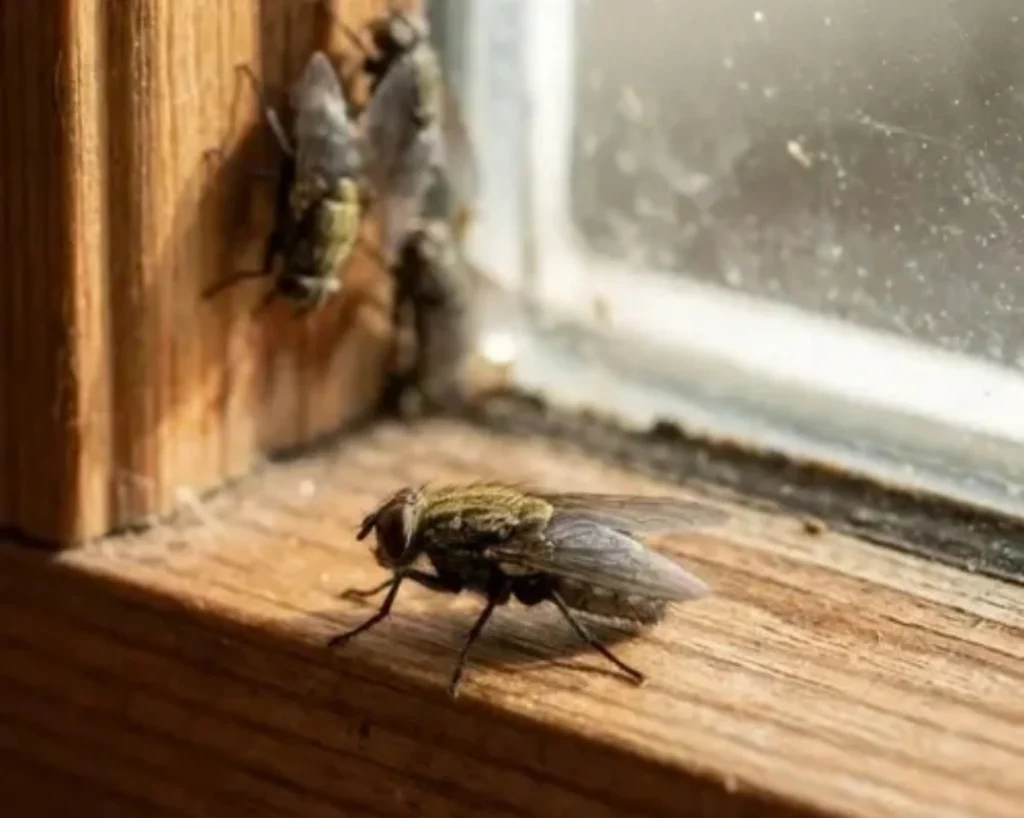
Cluster Fly Control Guaranteed!!
“You WILL Get The Best, Most Thorough, Professional Service You Have Ever Seen… We GUARANTEE It… Or It’s FREE!”
We Not Only Take Care of Cluster Flies, But Also Take Care of Your Home!
5 REASONS TO CHOOSE MAJOR PEST CONTROL
- We’re committed to CUSTOMER SATISFACTION, with over thousands of Google 5 Star ratings for pest control.
- We offer a complete 58 POINT Pest Control Survey & Analysis of your home or building.
- ASSOCIATE CERTIFIED ENTOMOLOGIST and a public health specialist on staff.
- A team of EXPERIENCED PEST TECHNICIANS to carry out all pest control services.
- Our GUARANTEE is UNMATCHED by any competitors! (If you’re not happy, you don’t pay!)
CALL BY 2 P.M. FOR SAME-DAY OR NEXT-DAY AVAILABILITY!
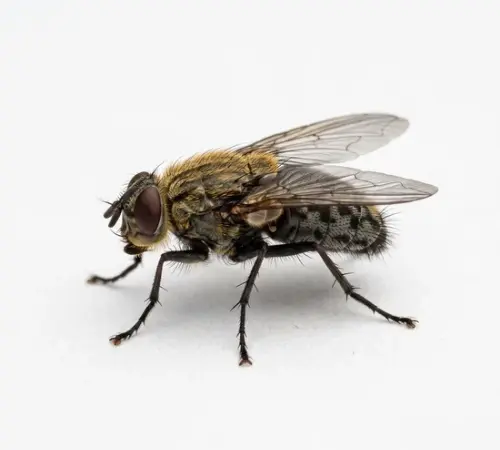
How Do You Know It Is a Cluster Fly (Identification)
Colour
Dark grey to black, with a dusty, almost golden sheen from the fine hairs on the thorax.
Size
8–10 mm, noticeably bigger and chunkier than a typical house fly.
Movement
Slow and clumsy. House flies dart around, but cluster flies bumble along and are easy to catch.
Up close
Their wings overlap at rest, and they don't have the clear stripes a house fly has on its body.
Quick Links
Signs You Have a Cluster Fly Problem
Cluster flies don’t hide well. In most calls I get, the homeowner has already spotted at least one of these:
- A sudden group of flies on a sunny window. It’s usually a south- or west-facing one, on a mild fall or winter afternoon.
- Flies that vanish on cold days and return when the sun warms the house. They sleep inside your walls and wake up with the heat.
- A low buzzing from the attic, soffit, or upper wall. If you hear it and can’t see anything, they’re in the walls.
- Dead flies piling up on windowsills, attic corners, or around light fixtures. This is common by midwinter.
- Flies that are slow and heavy. If they seem sluggish compared to the house flies you’re used to swatting, they’re probably cluster flies.
Where Do Cluster Flies Hide?
Here’s what surprises most people: cluster flies aren’t looking for food or a place to breed. They want a dry, undisturbed space to wait out winter. That changes where I check.
Outside, before they come in:
- Lawns and open fields, where their larvae develop inside earthworms.
- Cracks around siding, fascia boards, and roof edges.
- Gaps around attic vents and rooflines.
Inside, once they’ve settled:
- Attics and roof voids. This is their favourite spot by far.
- Wall voids, especially on upper floors and sun-facing walls.
- Behind siding and inside soffit spaces.
- Light fixtures and window frames, where stragglers often end up.
How a Cluster Fly Problem Builds
None of the breeding happens near your house, which is why the problem feels so random. Here’s the cycle:
- Eggs: Females lay eggs in cracks in damp soil from late spring through summer.
- Larvae: The larvae burrow into earthworms and develop as parasites, which is unusual for a fly.
- Adults: After pupating in the soil, adults emerge. Alberta’s climate usually allows a couple of generations before fall.
- Migration: As temperatures drop, adults stop breeding and seek shelter. That’s when they find their way into attics and wall voids.
- Return visits: Once a group settles into a building, the same population tends to return the following year. A one-time problem rarely stays one-time.
Why Do I Have Cluster Flies?
By the time someone calls me, the cause usually isn’t indoors. It’s the setup outside. It’s not about dirt or poor housekeeping. A spotless house with a gap in the soffit gets cluster flies just as easily as a messy one. A few things tend to line up:
- A lawn, field, or green space nearby. A healthy earthworm population is where the larvae grow up, and most Alberta yards have one.
- Gaps around soffits, rooflines, siding, and attic vents. These give flies an easy way in.
- Sun-exposed walls. Flies land on them to warm up before pushing further inside.
- A history of overwintering in your home. Cluster flies are creatures of habit and reuse the same shelter year after year.
How Worried Should You Be About Cluster Flies?
I’ll be straight with you: this is one of the least harmful pests I deal with, but it’s one of the most annoying.
- Health risk: Essentially none. They don’t bite, sting, or spread disease, and they don’t lay eggs indoors.
- Property damage: None directly. A large die-off inside a wall void can leave a musty smell and attract carpet beetles, which feed on the dead flies.
- How fast it escalates: A handful on a window isn’t worth worrying about. A swarm every fall, or buzzing from inside a wall, means an established overwintering site will keep producing the same problem until you deal with it.
How to Prevent Cluster Flies
Most of this is DIY-friendly, and late summer is the best time to do it, before the flies start looking for a way in.
- Seal gaps around soffits, fascia boards, rooflines, and siding.
- Check and repair screens on attic and roof vents.
- Caulk around utility lines and pipes where they enter the house.
- Keep window and door weatherstripping in good shape.
- Vacuum flies up instead of swatting them. Crushing them causes staining and a stronger odour.
DIY sealing helps a lot, but it has limits. Rooflines, high soffits, and wall voids are hard to reach safely, and treating them takes professional products and equipment. If you see flies every fall, a preventative exterior treatment in late summer is the most reliable fix.
Our Cluster Fly Control Process
- Inspection: I check attics, soffits, and sun-facing exterior walls for entry points and signs of a previous overwintering site.
- Treatment: I apply a targeted exterior treatment before the seasonal migration starts and treat any flies already settled indoors.
- Sealing entry points: I flag the specific gaps letting flies in, since treatment alone won’t stop them from trying again next year.
- Follow-up: I check back as needed. Cluster flies are habitual and tend to return to the same spot unless you seal the entry points properly.
How Much Does Cluster Fly Control Cost?
Cluster fly control at Major Pest Control starts at $650. The final price depends on two things: your home or building size and how established the overwintering site already is. A small house with a few entry points costs less than a larger property where flies have been returning to the attic for years.
Your price covers the full process: inspection, targeted exterior treatment, and a list of the gaps letting flies in so you can seal them. The most accurate number comes from a free inspection, where we can see your roofline, soffits, and sun-facing walls for ourselves.
Our Service Areas for Cluster Fly Control
Cluster flies sneak into your home in fall and buzz around all winter. Wherever you are, our local team is ready to help.
Cluster Fly Control in Edmonton
Slow, sluggish flies swarming your Edmonton windows on sunny winter days? Those are cluster flies. We’ll treat where they hide and keep them out.
Cluster Fly Control in Calgary
Dozens of buzzing flies in your Calgary attic or upstairs windows? Cluster flies overwinter in homes. We’ll treat entry points and clear them out.
Cluster Fly Control in Red Deer
Flies popping up in your Red Deer walls and window sills all winter? Cluster flies are the usual culprit. We’ll seal them out and treat the problem spots.
Related Pest Services
FAQs About Major Pest Control Services
Vacuum up the flies you can see, then seal the gaps they use to get in, like soffits, siding, and attic vents. Store-bought sprays only kill what you can see, while flies in wall voids keep emerging. For lasting results, a professional exterior treatment in late summer, before they move in, stops the problem at the source.
Cluster flies come inside looking for a dry, sheltered place to wait out winter. Gaps around soffits, siding, and attic vents give them easy access, and sun-facing walls draw them in. Once they’ve overwintered in your home, they tend to return to the same spot every year. They aren’t attracted by dirt or food.
No. Cluster flies don’t bite, sting, or spread disease, and they don’t breed indoors. They’re a nuisance, not a health risk. The only real concern is a large die-off inside a wall void, which can leave a musty smell and attract carpet beetles that feed on the dead flies.
Cluster flies are larger (8–10 mm), slower, and have a dusty golden sheen on the thorax from fine hairs. House flies are faster, with clear stripes on the body. At rest, cluster flies overlap their wings, and they gather on sunny windows in fall and winter instead of hanging around food.
Cluster flies move into buildings in late summer and fall, then appear on warm windows during sunny winter and early spring days. Most leave once the weather warms up. If the entry points aren’t sealed, the same group usually returns the following fall.


Need To Talk To a Real Human?
Our Phone Numbers: