Chinchbug Control Service
Chinchbug Control Guaranteed!!
“You WILL Get The Best, Most Thorough, Professional Service You Have Ever Seen… We GUARANTEE It… Or It’s FREE!”
Those Dead Patches May Not Be the Heat. Stop Chinch Bugs Before They Spread.
5 REASONS TO CHOOSE MAJOR PEST CONTROL
- We’re committed to CUSTOMER SATISFACTION, with over thousands of Google 5 Star ratings for pest control.
- We offer a complete 58 POINT Pest Control Survey & Analysis of your home or building.
- ASSOCIATE CERTIFIED ENTOMOLOGIST and a public health specialist on staff.
- A team of EXPERIENCED PEST TECHNICIANS to carry out all pest control services.
- Our GUARANTEE is UNMATCHED by any competitors! (If you’re not happy, you don’t pay!)
CALL BY 2 P.M. FOR SAME-DAY OR NEXT-DAY AVAILABILITY!
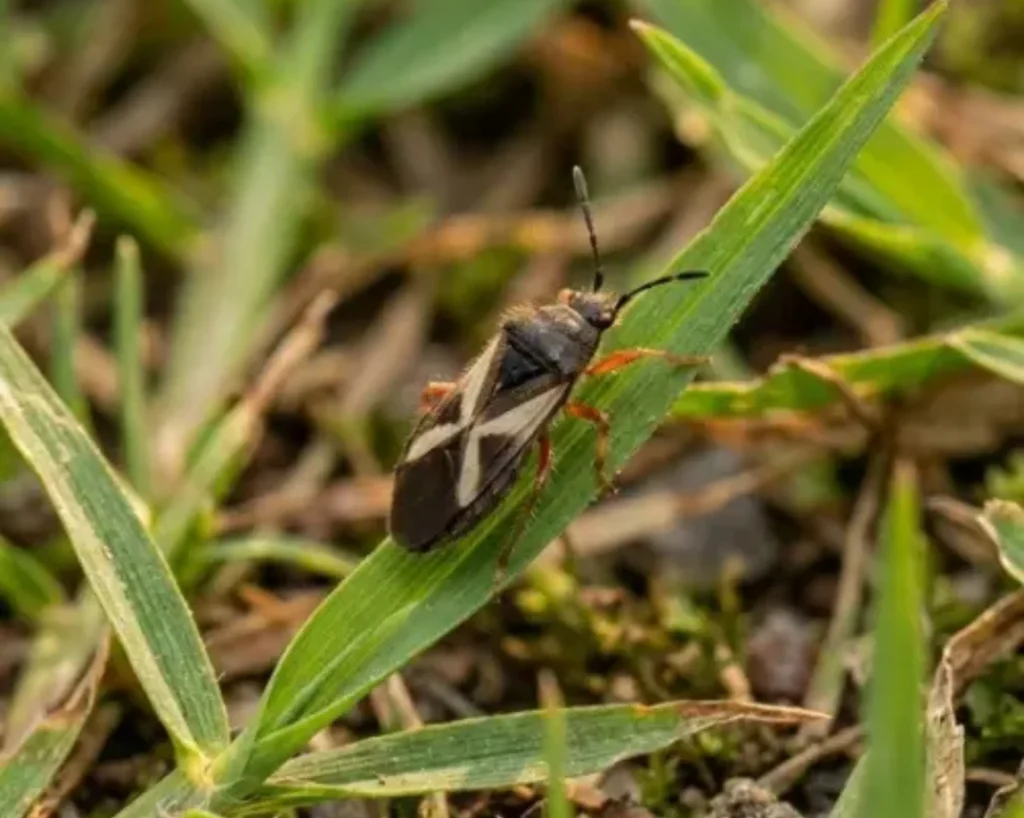
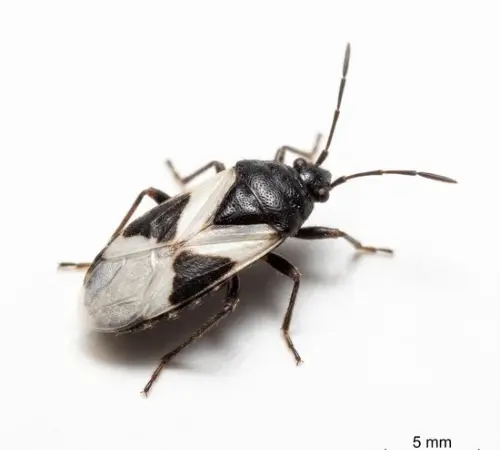
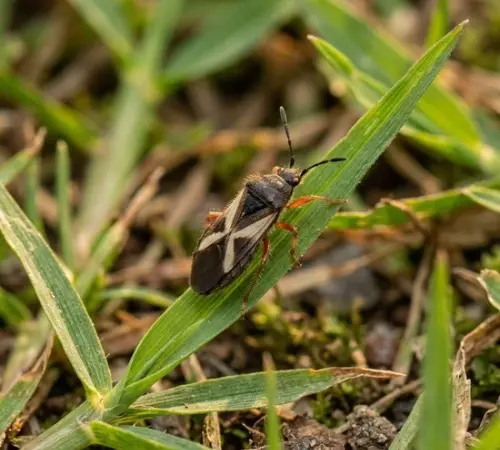
How Do You Know It Is a Chinchbug (Identification)
Colour
Black adults with white wings. Young ones are red with a white band.
Size
About 3 to 4 mm long. Young ones are smaller.
Description
Narrow and flat, with white wings folded in an X shape. Fast-moving.
Notes
Check the edge of a dead patch, not the middle.
Quick Links
Is It Chinch Bugs or Something Else?
Dead or damaged grass can have many causes, and chinch bugs can be confused with other lawn problems. If you’re not sure, send us a photo of the lawn and a close-up of the edge of a patch. Here’s a quick way to tell them apart:
Cause | What the lawn looks like | Tell-tale sign |
Chinch bugs | Yellow patches that turn brown and dry, often in the sunniest spots. They spread outward | Tiny black bugs or red nymphs at the edge of the patch. Watering doesn’t help |
Heat or drought stress | Lawn turns brown across wide areas, often uneven | Greens up after good rain or deep watering |
Ants | Small dirt mounds, thin or dead spots around them | Ants moving in and out of the mound. See Ant Control |
Voles | Winding trails and tunnels in the grass, often seen after the snow melts | Narrow runways and chewed grass at ground level. See Vole Control |
Gophers or moles | Fresh mounds of soil and raised tunnels | Soil piles on the lawn. See Gopher Control and Mole Control |
Grubs | Patches that feel spongy and peel up like a carpet | White, C-shaped grubs under the turf |
Sod webworms | Chewed, ragged patches, often in summer | Small moths flying up as you walk across the lawn |
The 5-Minute Coffee Can Test
This test is a simple way to check for chinch bugs before you call anyone. Do it in two or three spots. If you don’t see any, something else may be causing the damage.
- Cut both ends off a large metal can (a coffee can works well).
- Push the can about 5 cm into the soil at the edge of a damaged patch, where the dead grass meets green grass.
- Fill the can with water.
- Wait 5 to 10 minutes and top up the water if it drops.
- Look at the surface. If chinch bugs are there, they float up. Adults are small and black; nymphs are red.
What We Hear From Alberta Homeowners
Since 2021, we’ve had about a dozen enquiries from Edmonton, Calgary, Red Deer, St. Albert and Sherwood Park about chinch bugs. Here are a few, lightly shortened:
- “We have a severe infestation of chinch bugs in our lawn. Can you help, and how soon could you start?”
- “Do you provide chinch bug control? I need a treatment for my lawn and the perimeter of my house.”
- “I think chinch bugs are destroying my lawn and crawling all over the outside of my house.”
- “My lawn has large patches of dead grass. I believe it may be chinch bugs.”
- “Do you spray for them?”
Between June and September, and in August, when the damage becomes impossible to ignore.
Chinch Bug Season in Alberta
Chinch bugs follow the weather. They like hot, dry summers, and the damage shows up when the heat peaks. The exact timing changes from year to year and city to city, depending on how hot and dry the summer is.
When | What chinch bugs are doing | What you may notice |
Spring (Apr to May) | Adults that survived the winter wake up in the thatch and start feeding | Not much, but this is when they start laying eggs |
Early summer (Jun) | Eggs hatch and the red nymphs start feeding on grass blades | Small yellow patches may appear |
Midsummer (Jul to Aug) | Peak feeding in the heat | Patches turn brown, dry and spread quickly. Most of our calls are in August |
Late summer (Aug to Sept) | Many are adults by now, and they move around | Bugs on sidewalks, driveways and the outside of the house |
Fall (Oct to Nov) | Adults hide in thatch, leaf litter and grass clumps to overwinter | Damage stops showing, but the bugs are still there |
Where Chinch Bugs Strike First
Chinch bugs go for the hottest, driest parts of your lawn. They feed by sucking the juices out of grass blades, so the grass turns yellow, then brown, as if it were scorched. As a result, many homeowners keep watering and wonder why nothing is improving. These are the places to check first:
- Sunny, south- and west-facing lawns
- Grass along driveways, sidewalks and curbs, where the heat bounces up
- Along the foundation of the house
- Lawns with a thick layer of thatch
- Thin, stressed or drought-hit areas
- Newly laid sod that hasn’t rooted well
Can You Fix Chinch Bugs Problem Yourself?
Sometimes you can catch it early, but there are a few common traps:
- Watering more. Deep watering helps a stressed lawn, but it won’t stop chinch bugs from feeding.
- Reseeding right away. If the bugs are still there, they’ll feed on the new grass too.
- Treating the wrong problem. Many lawn damage cases are caused by ants, voles, or grubs. Treating for chinch bugs won’t fix any of those.
- Missing the house. Chinch bugs can also move onto your home’s exterior, so treating only the lawn may leave some behind.
Call a professional if:
- The coffee can test shows chinch bugs
- The patches keep spreading, even though you’re watering
- You see bugs crawling on your driveway, siding or foundation
- You have a large lawn or an acreage
- The damage has come back from last year
- You aren’t sure what’s causing the damage
Our Chinch Bug Control Process
- Tell us what you’re seeing. Send photos of the patches and tell us roughly how large your lawn is.
- Inspect and confirm. We check the edges of the damage and the thatch to confirm it’s chinch bugs and rule out ants, voles, grubs and other causes.
- Treat the lawn and the perimeter. We treat the affected lawn and the area around your home where the bugs gather.
- Aftercare advice. We tell you how to water, mow and repair the lawn so it recovers.
- Follow-up and guarantee. If chinch bugs are still active, let us know, and we’ll come back. Our guarantee backs your service.
How Much Does Chinch Bug Control Cost?
Your final price depends on your lawn size, how widespread the damage is, how many areas need treating, and your location.
The easiest way to get a price is to send us your enquiry. Tell us roughly how big your lawn is, where the damage is and send a photo if you can.
Keeping Chinch Bugs Out of Your Lawn
- Mow higher, around 7 to 8 cm (3 inches). Taller grass shades the soil and stays healthier in the heat.
- Water deeply and less often, instead of a little every day.
- Remove thick thatch in spring or fall.
- Don’t overdo nitrogen fertilizer, because lush, soft growth attracts them.
- Rake up leaves and grass clippings in fall so bugs have less shelter to overwinter.
- Overseed thin areas, once the bugs are under control.
- Check the sunny edges of your lawn every couple of weeks in July and August.
Our Service Areas for Chinch Bug Control
Chinch bugs suck the life out of your lawn. Wherever you are, our local team is ready to help.
Chinch Bug Control in Edmonton
Dry, yellow patches on your Edmonton lawn that won’t green up? Chinch bugs could be feeding underneath. We’ll treat the turf and protect it.
Chinch Bug Control in Calgary
Brown, dying patches across your Calgary lawn even after watering? Chinch bugs are a likely cause. We’ll treat the grass and stop the damage.
Chinch Bug Control in Red Deer
Does your lawn look scorched in Red Deer, even though it’s getting plenty of water? Chinch bugs may be hiding in the thatch. We’ll clear them out.
Related Pest Services
FAQs About Major Pest Control Services
Look for yellow or brown patches that spread outward, often in the sunniest areas, and don’t improve with watering. Do the coffee can test at the edge of a patch. If chinch bugs are present, tiny black or red bugs will float to the surface.
Confirm it’s chinch bugs first, because ants, voles and grubs cause similar damage. If it is, the bugs need to be treated, not just watered. A professional can treat the lawn and your home’s perimeter.
Lightly damaged grass can recover once the bugs are gone. Dead patches usually need overseeding or new sod. Wait until the bugs are under control before reseeding, or they’ll feed on the new grass.
They are most active in hot, dry weather. Damage usually shows up in July and August, and most of our chinch bug calls come in late summer. The adults overwinter in thatch and leaf litter and wake up in spring.
Chinch bugs live in lawns, but they can move onto driveways, sidewalks and the outside of the house, sometimes in large numbers. They don’t bite people or pets. If you see bugs indoors, send us a photo so we can identify them.

Need To Talk To a Real Human?
Our Phone Numbers: