


How To Prevent Bed Bugs While Travelling
Ah, the joy of travelling! From mesmerizing sunsets on warm, pristine beaches to the hustle and bustle of city centers, there’s nothing like leaving Edmonton to explore new places! But let’s chat about an unwanted traveler many of us dread: bed bugs. Yep, those tiny critters that could turn a dream vacation into a nightmare, however not many people realize how common bed bugs are when travelling. In fact, bed bugs were once considered a pest of the past, but over the last decade, these pests have made a worldwide comeback. Experts agree this current outbreak may be the worst yet, thanks to global travel, our growing population and pesticide resistance.
So why should you be concerned while travelling? Despite the fact that bed bugs live on virtually every continent on Earth, they are also frequent visitors of hotels, motels and even Airbnb! In fact, according to the National Pest Management Association (NPMA) 75% of pest control companies have found bed bug infestations in these accommodations. That’s why it’s prudent to take some precautions before and during your trip.
The time it takes to implement these precautions will be significantly less time than dealing with an infestation in your home! This guide, put together by the expert entomologists at Major Pest Control in Edmonton will ensure your vacation is relaxing and you won’t be bringing home any unwanted pests that will require professional bed bug removal in Edmonton!
Understanding Bed Bugs
Identifying Bed Bugs in Edmonton
Bed bugs are small, oval, and brownish insects that live on the blood of humans and animals. The eggs are small, white ovals. Once hatched, the nymphs are translucent, and only after they mature do they become a dull brown color. Adult bed bugs have flat bodies roughly the size of an apple seed. After feeding, their bodies swell and take on a reddish color. While bed bugs don’t fly, they can move quickly over floors, walls, and ceilings.
Immature bed bugs, known as nymphs, shed their skins five times before reaching maturity and require a blood meal before each shedding. You may spot these shed skins – they look like dead bugs and is a good indication of an infestation. Under favorable conditions, they can develop from a nymph to an adult in as little as a month, producing several generations a year. Identifying bed bugs early is crucial to prevent larger infestations. Look for tiny, rust-colored spots which are bed bug excrement, as well as their skins and the bugs themselves, particularly in mattress seams, sheets, and the surrounding areas.
Their Sneaky Habits
Did you know bed bugs are master hitchhikers? They’re not too picky – they’ll settle into any cozy spot. Once during a backpacking trip across Europe, I unknowingly shared my hostel bed with these critters and woke up with a trail of itchy bites! This taught me the importance of understanding them before they get too familiar, and you end up needing bed bug removal in Edmonton services.
Not only are bed bugs great at hitchhiking, but they are also great at hiding too. Since they are nocturnal, they’re most active while we’re asleep, making finding them more difficult. But they are also very tiny and flat, which enables them to hide in some of the most unlikely places! While the name bed bug might have people assume they live in the bed, that’s just where they feed. After consuming a blood meal, they will retreat to their hiding spot to digest their meal.
And once they’ve eaten, they can live for a long time without needing another meal. So don’t think that a two-week trip away from your Edmonton home will be long enough to kill an infestation! In normal circumstances, bed bugs live two to three months without feeding. But in cooler climates like Edmonton, their metabolism slows, and they can live for a year without a blood meal!
So even if you are leaving your infested home for a month or two, that’s not long enough to starve them out – you will need professional bed bug removal in Edmonton. If your infestation is a large one, some report a slightly sweet smell like rotting raspberries. Just remember, even if you don’t see these insects, that doesn’t mean they aren’t there!
Recognizing Their Hideouts
Hotel rooms, hostels, Airbnb, or that quaint bed and breakfast you booked could all be home to bed bugs, even in Edmonton. But a quick inspection can save you days of itching and scratching. Always check each and every hotel, motel or hostel room for bed bugs before you make yourself comfortable in your room. A few minutes of preparation can keep you from the nightmare of bringing home an infestation.
Knowing where bed bugs are most likely to be found can help you look for these tiny pests. You can’t just check the bed – remember, the word bed is in their name because that’s where they feed, not where they live. While it’s important remember to check under the mattress, and especially around the seams, you must also look in their favorite hiding places too. The one time I skipped this step, I deeply regretted it!
Bed bugs – known for their crafty nature – predominantly seek refuge in places that offer close proximity to their human hosts, ensuring easy access to blood meals. They are most commonly found in the crevices and seams of mattresses and box springs, as this provides an ideal environment for them to remain hidden while being near their food source. Additionally, these pests often hide in cracks and crevices of bed frames, headboards, and surrounding furniture. Beyond the bedroom, they can nestle in the folds of curtains, under loose wallpaper, inside electrical outlets, and even in spaces between floorboards. It’s essential to be aware of these hiding spots to effectively inspect and treat any potential infestations.
Preventative Measures Before Travelling from Edmonton
Choosing the Right Accommodations
Despite what you might believe, you can take steps to avoid bed bugs before you leave Edmonton, or even choose where you are staying. First, research the property online to see if there are any recent reports or complaints about bed bugs. The more recent the reviews, the better, as a bed bug infestation can happen very quickly! I can’t emphasize this enough: always check reviews. Google reviews are a great place to start, but don’t count only on these reviews. Websites and forums that are dedicated to travel reviews can be great resources. Visit their Facebook page, and see what people are commenting.
Once you have lodging chosen, ask about bed bug policies before you book. Good accommodations won’t mind you asking, and will actually have a policy in place, such as regular inspections, and a reputable pest control company they work with. My partner and I once booked a place solely based on pictures, only to find previous guests’ warnings about bed bugs. Lesson learned!
Luggage Pre-treatment: A Game-Changer!
Before you pack, you can pre-treat your luggage to make it less inviting to bed bugs who are hitching a ride. There are many essential oils that bed bugs do not like the smell of! Cinnamon oil, lemongrass oil, clove oil, peppermint oil, lavender oil, thyme oil, tea tree oil, neem oil and eucalyptus oil are all scents that bed bugs can’t stand.
Orange oil is also effective at keeping these pests away, and is also antibacterial in nature, which is great for use in luggage. Mix a few drops of the oils with water and pour into a spray bottle. Give the interior of your luggage a spray and let dry completely before packing. For extra protection, take the essential oil and spray bottle with you, and use it while travelling as an added measure.
Many people place a few dried peppermint leaves throughout their luggage while packing, to help infuse the luggage with scent that bed bugs despise, with the added bonus of having their luggage smell minty fresh! When your suitcase is packed, add a few drops of essential oil onto a cotton swab and rub on the outside of your hard-shelled suitcase to make the entire suitcase unattractive to the pesky insects.
Take note, however, that essential oils alone will not protect you from bed bugs but can be part of an effective overall strategy to keep bed bugs from biting or hitchhiking back to your home in Edmonton. Whatever you do, do not spray pesticides or insect repellent on your luggage or clothing. This can be a health hazard.
Packing: The Right Way
Consider investing in hard-shelled luggage. Soft bags are like five-star resorts for bed bugs. And here’s a personal tip: vacuum-seal your clothes. Not only does it save space, but it also ensures those pesky bugs stay out, especially if you want to avoid needing bed bug removal in Edmonton services. You may want to invest in sealable plastic bags of many different sizes too. Put your clothes, toiletries, shoes – everything into plastic bags. This can save you a lot of headaches if you do end up staying in a room that has a bed bug infestation – it’s a lot more common than you realize!
Safe Practices During Your Stay
Room Inspection: Your First Task
Before you even unpack, inspect your room. Remember, these bugs are tiny, and their eggs are even tinier. So, be thorough. Trust me; it’s worth the time. A flashlight can be beneficial for a more detailed inspection, so pack one in your carry on luggage to be ready once you check in.
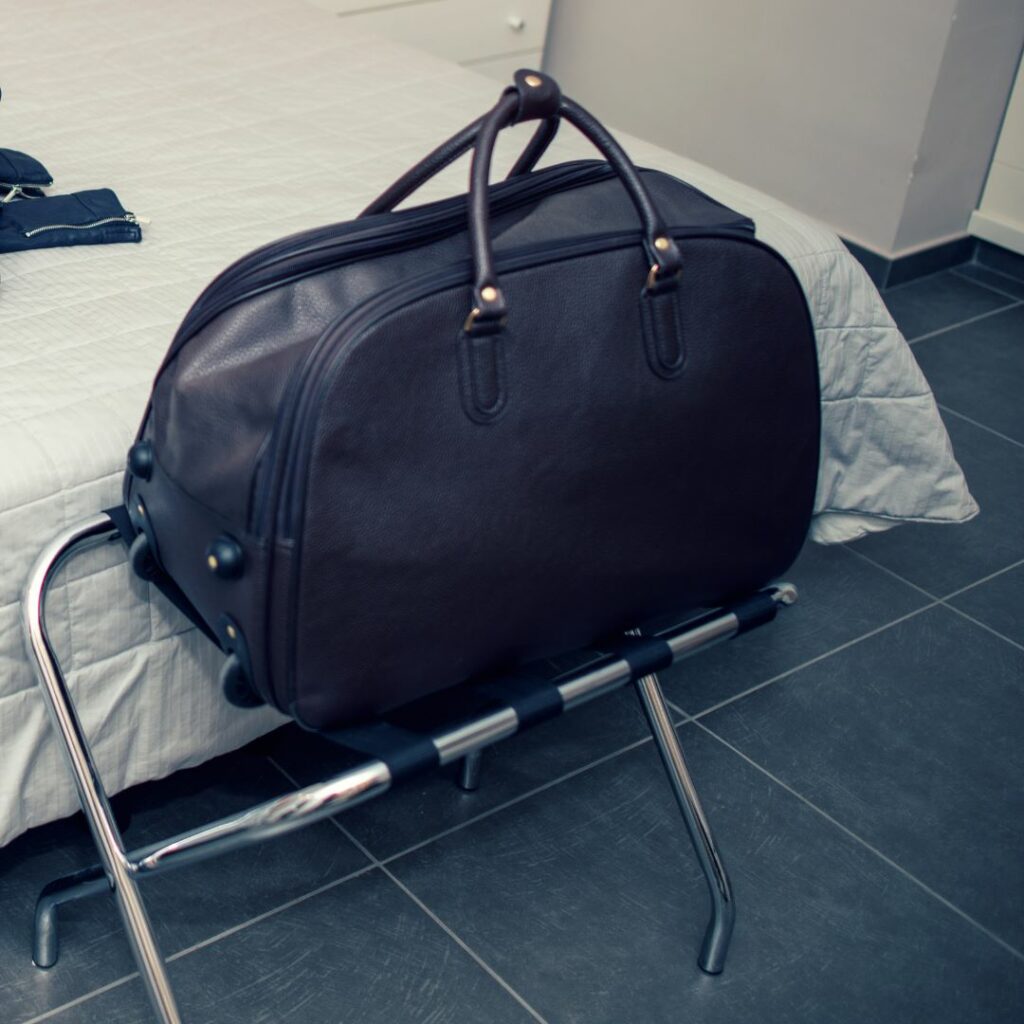
Luggage Placement: The Bathtub Trick
Ever thought of placing your luggage in the bathtub? It sounds odd, but the smooth and non-porous surface of the tub makes it difficult for bed bugs to climb, thereby reducing the risk of them getting into your luggage. The bathroom in general will most likely be a bed bug free zone, even in an infested hotel or motel room. There is no carpeting, making it difficult for them to get around. Also, there’s no reason a bed bug would want to spend time in the bathroom. They want to be close to where their food source is sleeping, since they feed nocturnally).
If there’s not enough room in the bathtub for your suitcases, if you’re travelling with multiple people, you can keep the luggage in the bathroom, on a luggage rack, in the lobby or even in your car. While your suitcase is safely stored out of the way, begin inspecting the room using your flashlight to inspect dark corners. Start with the bed, and expand your search radius out from there. Once you are certain there are no bed bugs in the room, you can take your luggage out of the bathtub.
Check the Bed: Pull Back the Sheets

When checking a hotel or motel bed for bed bugs, it’s essential to be thorough and systematic. Begin by pulling back the bed linens and inspecting the edges, folds, and seams of the mattress for any signs of the bugs or their fecal stains. Look closely for tiny reddish-brown bugs, about the size of an apple seed, and small black or dark brown spots. Use a flashlight for better visibility.
Next, inspect the bed frame, headboard, and the area around the bed, including nightstands and any upholstered furniture. Bed bugs can also hide in crevices, so be sure to check any cracks or gaps in the bed frame or nearby furniture. Make sure that you’ve kept your luggage safe the entire time up until you’ve completed your inspection to avoid potential contamination.
Check the Room: Work Away from The Bed
Many people would stop searching for bed bugs if they didn’t find any close to the bed, but that would be a mistake. Unfortunately, with the frequent changing of the sheets, there may or may not be any signs of bed bugs around the bed. It’s worth noting that bed bugs don’t actually live on the bed.
The bed is simply where they find their food source (you) while sleeping. They will feed between one to three times before retreating to their hiding spot, where they will digest their food. The hiding spot could be anywhere close to the bed. Sometimes it’s the furniture close to the bed, inside the walls close to the bed. Bed bugs are incredibly tiny and can hide in many places. Once you’ve searched the bed, work your way farther away, looking at baseboards, nightstands, chairs and other furniture, drapes, closet or armoire, electric outlets and light switches.
Keep It Tidy
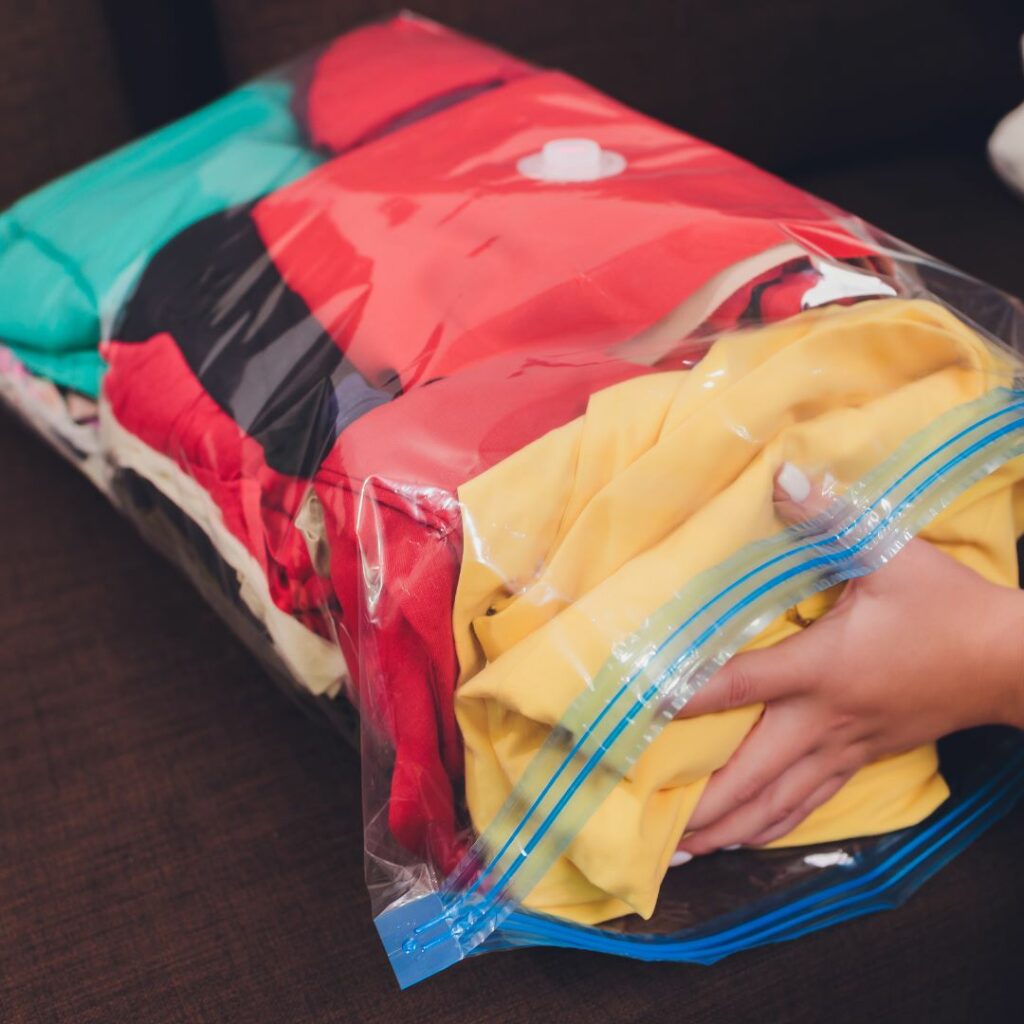
It might be tempting to unpack your suitcase when you get to your destination, and at least make it easier to access everything, but avoid the temptation. Spread-out belongings are like an open invitation. Keep your items organized and contained. My partner always laughs at my obsession with Ziploc bags, but guess who’s never been bitten? When you’re packing, organize all your belongings in Ziplock bags, from toiletries and medication to clothes and shoes. Once you’re done with it, it goes back in the bag.
We even have a plastic bag for dirty laundry, which is great for more than just bed bugs! Another handy tip is to keep your suitcase in a plastic trash bag, or protective cover during your hotel stay. This will protect your luggage, clothes and belongings from these potential buggy hitch hikers. While it might seem a pain, not unpacking, and having to retrieve belongings from a packed suitcase whenever you need something, believe me, trying to get rid of a bed bug infestation is infinitely more of a problem!
What If You Spot Bed Bugs
If you see any signs of bed bugs, contact management, inform them of what you’ve found, where you found the bugs, and ask switch rooms immediately. If you are switching rooms, do not move to a room that is adjacent, above or below the room you found bed bugs in. These tiny pests will hitchhike on the housekeeping cart, or crawl in the walls and find their way into close rooms through tiny cracks, like electrical outlets. Once you are placed in the new room, begin the process of checking the new room for bed bugs, using the same protocol.
Bed bug infestations happen quite quickly, so it’s possible that they had no idea of the state of the room, but if they can’t offer you a new room, or the only rooms available are the ones close to the infested room, you may want to stay at a new place, as it’s quite reasonable to simply avoid staying in a building that has an active infestation.
The Signs You Might Not See
Bed bugs are masters of hide and seek. They are nocturnal, so they’re the most active when we are asleep in the dark. They are extremely tiny and flat if they haven’t fed recently and will hide in some of the most unlikely of places. In addition to in and around the bed, they like to hide in drawer joints, in electrical outlets, under baseboards and wall hangings, even in the head of a screw, they’re that small! Really! While travelling, the bedding can get changed often enough, that you might not see the signs of an infestation on the sheets themselves.
Also, if you’re not well versed in what bed bugs and their eggs look like, you may not recognize them if you encounter them in your travel accommodations, so don’t be lulled into a false sense of security if you don’t see them. Also, while many people get visible signs when they are bit by bed bugs, not everyone who is bitten will react with red marks or a rash, and these marks on their own do not point to bed bugs – many other bugs could be responsible for it.
So if you’ve stayed a few nights, and you don’t have bite marks, that does not mean your room is free of these pests. Continue to take all precautions during your trip, knowing that your efforts are well worth it – getting bed bug removal in Edmonton for an infestation is much more difficult than avoiding one while travelling.
Post-Travel Precautions
Remember, prevention doesn’t end when your trip does. By being just as careful when you come home, you can avoid bringing home unwanted bed bugs as souvenirs that require bed bug removal in Edmonton.
Luggage Inspection: Do It Outdoors
Before you bring your luggage inside, give it a good check outside your home. The one time I didn’t? I spent weeks dealing with a minor infestation after I got home, requiring me to find a bed bug exterminator in Edmonton, and putting a damper on the good mood I had from my vacation. Move each piece of clothing – even the ones you haven’t worn – into plastic bags, to prevent any present bed bugs from escaping and finding a new hiding place.
If you’ve kept your clothes in the plastic bags you packed for the trip – take those bags directly to the washing machine and start a load immediately. If any bugs or eggs made it into your clothing, this will make it impossible for them to escape into the rest of the house.
Hot Water: A Bug’s Worst Enemy
Once you’ve unpacked the clothes from your luggage, bring the plastic bags of clothes inside, and immediately wash them in the hottest water they can handle. Once the load is done, put them in the dryer on maximum heat for good measure. Bed bugs despise heat, and a hot enough temperature for long enough will kill them. Do this even with the clothes you didn’t wear while travelling, but made the journey with you.
Bed bugs are good at hitch hiking, and they could go from your clean clothes into your closet. From your closet, they will feed on the closest food source, and start infesting your home by laying eggs. A good rule of thumb is, if the clothes made the trip with you, they get washed. A friend once shared how she unpacked without washing her clothes and, well, let’s just say it wasn’t a pleasant experience, and they really needed bed bug removal in Edmonton after that!
The Suitcase Treatment
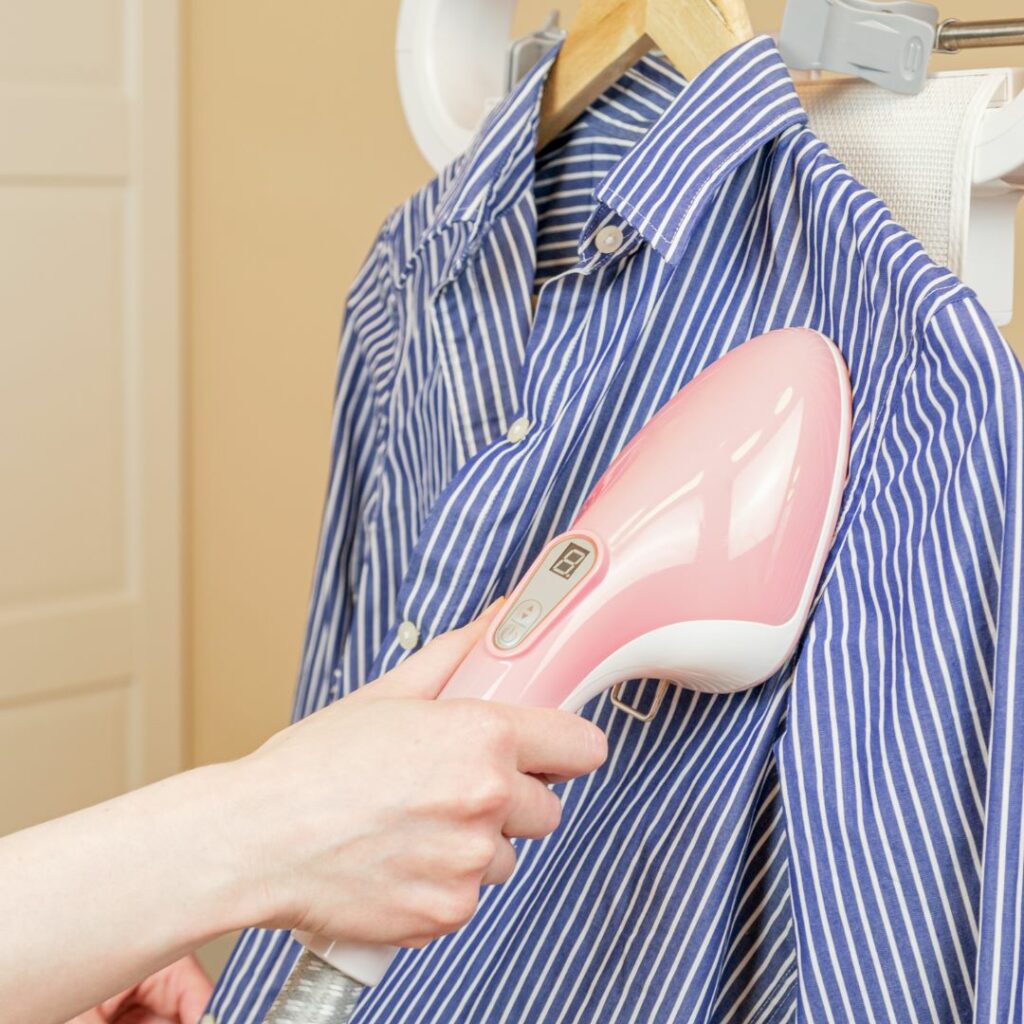
Once the suitcase is emptied, use a vacuum to get rid of any bed bugs or eggs – don’t forget to empty the vacuum in an outside garbage right after you finish, to prevent any sucked-up bed bugs from escaping the vacuum. Keep in mind that a bed bug can live up to six months without feeding, so thinking that any bed bugs in your suitcase will likely die before you travel again is not a good idea.
If you have a handheld steamer, use that on the suitcase, especially in the cracks and crevices, which will kill any bed bugs or eggs that did not get vacuumed up with its hot steam. While it might seem over the top, it’s much better safe than sorry, right?
Know The Signs
Recognizing Bed Bug Bites
Bites often appear in clusters and can be super itchy. Unlike mosquito bites, they tend to persist longer. If you notice these, act quickly. Bed bug bites are often characterized by small, red, itchy welts that typically appear in a linear or clustered pattern on the skin.
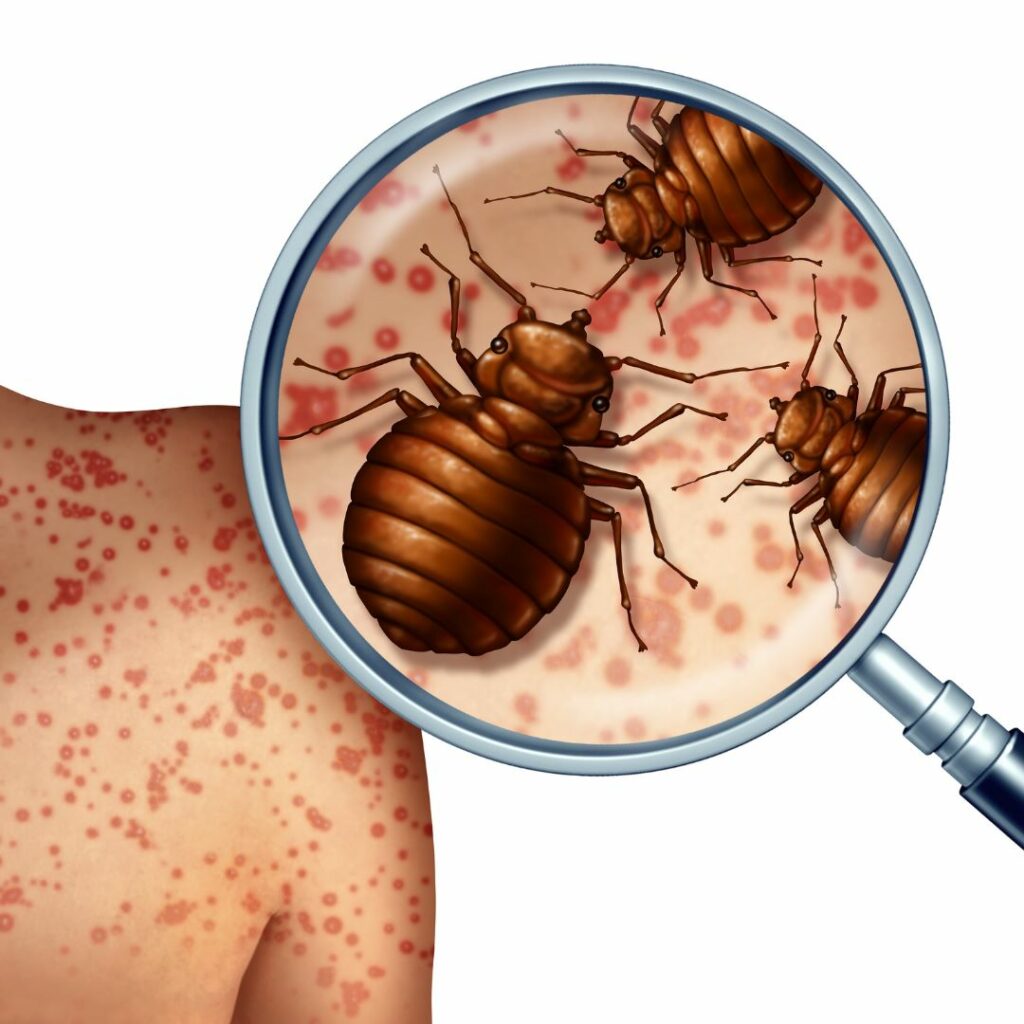
These bites are a result of the insect feeding on human blood, and while they can resemble bites from other pests, a few key features set them apart. The linear or zigzag pattern is commonly associated with bed bugs due to their tendency to bite multiple times while moving. Another distinguishing factor is that these bites often occur on areas of the skin exposed during sleep, such as the arms, legs, neck, and face.
While the appearance of the bite can be a clue, it’s crucial to remember that reactions to bed bug bites can vary among individuals. Some may have an allergic reaction, resulting in larger welts or rashes, while others might not show any visible signs at all. For a definitive identification of a bed bug infestation, it’s best to look for other evidence such as the bugs themselves, their excrement, or their shed exoskeletons in bedding or mattresses. You don’t want to discover you are bringing an infestation that requires bed bug removal in Edmonton!
Contact a pest control expert near you today!
Travelling is one of life’s great joys – who doesn’t love the idea of escaping ordinary life in Edmonton for new and unexplored destinations? But like everything, travelling comes with its challenges. Being informed and taking simple precautions can ensure that bed bugs don’t dampen your adventures. However, if you suspect you did bring pests home with you, don’t delay – call the pest control experts like Major Pest Control to come investigate! The sooner you get expert help for bed bug removal in Edmonton, the easier it will be to evict these unwanted pests from your home! Safe travels and bug-free dreams, regardless of where you’re leaving Edmonton to travel to!