

All About Beetles In Edmonton
Below is our table of content on beetles, what they do, what to do with them, and the how and why Major Pest Control does beetle removal Edmonton right.
Table Of Contents
Why Do I Have Beetles In Edmonton?
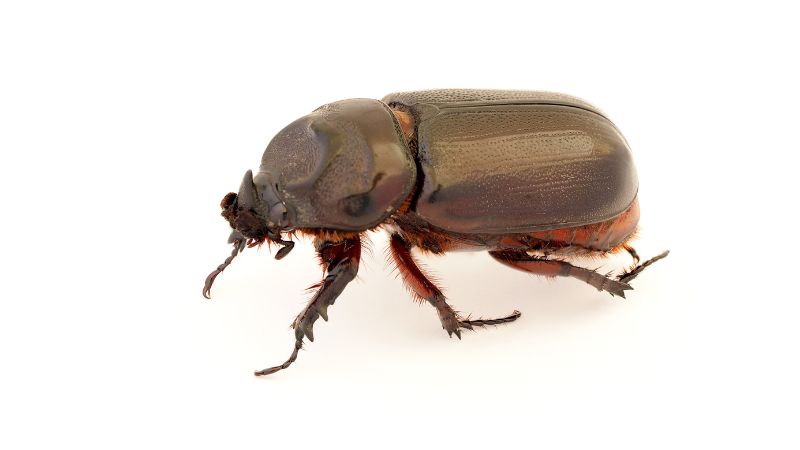
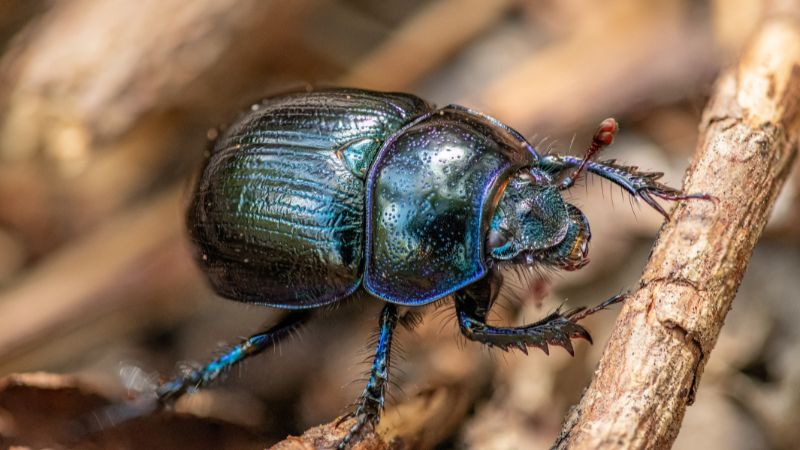
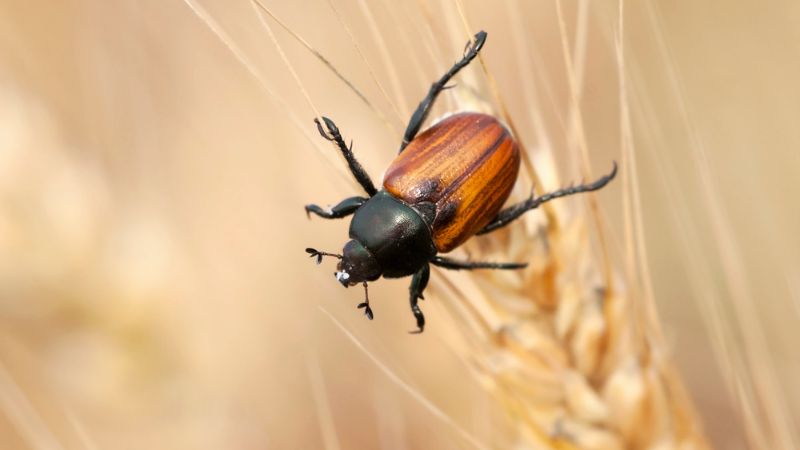
Beetles are found in nearly every habitat on earth and exhibit many different lifestyles. Many beetles live in association with plants, while others are burrowing and live in underground tunnels or in trees, and still others are semi to fully aquatic. Of the more than 9,000 beetle species found in Canada, two of the most notorious troubling species, Asian lady beetle and Carpet beetle. Some other common nuisance beetle species in Canada include the following: drugstore beetles, flour beetles, fungus beetles, grain beetles, ground beetles, old house borer beetles, plaster beetles, and wood-infesting beetles. If you think you have an infestation of any of these, give Major Pest Control Edmonton a line here , so they can take care of it for you!
What Attracts Beetles To Your Edmonton Home?
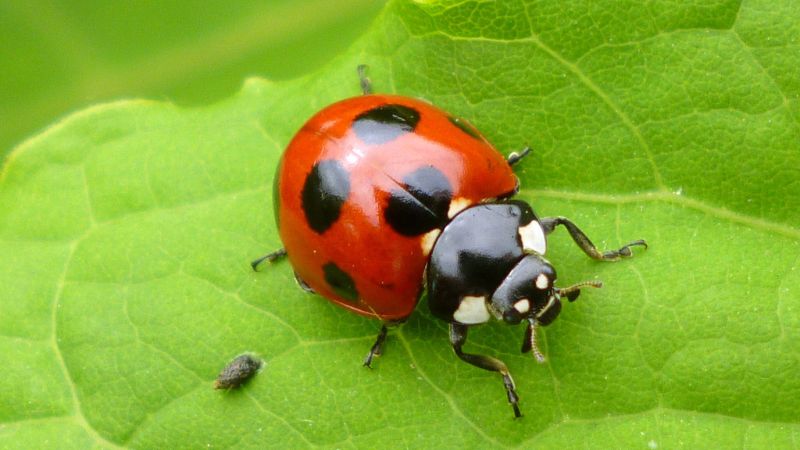
Beetles are one of the largest groups of animals on earth with more than 400,000 known species as of today. As such, some beetle species are helpful to humans, such as ladybugs that feed on crop pest insects, while other species are problematic to humans, such as those in the carpet beetle family that feed on clothing and items made from fur, leather, wool, or silk and whose activities are often mistaken for moth damage.
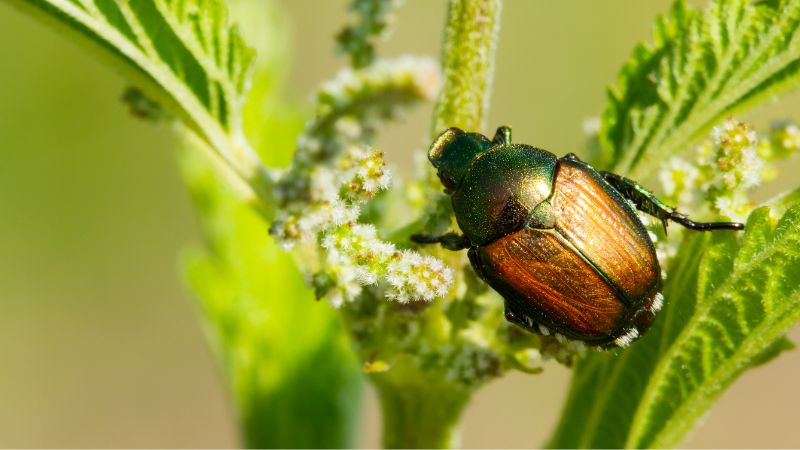
Types Of Beetles Around Edmonton
F.A.Q.s about Beetle Removal Edmonton
Why do I have Asian lady beetles?
Asian lady beetles are a species introduced to the United States as a form of biological pest control but are now a nuisance in Canada. Asian lady beetles are adapted to live in rural and urban environments and live for more than a year. In the winter, Asian lady beetles seek out the warmth that homes provide and invade through tiny cracks and crevices.
How worried should I be about Asian lady beetles?
Asian lady beetles can play a beneficial role in the garden and in fields, feeding on insects that damage crops and ornamental plants. In the home, however, Asian lady beetles are a nuisance with the ability to deliver a painful bite which cannot break the skin and is not dangerous. Additionally, Asian lady beetles secrete a yellow liquid with a distinctly unpleasant odor that stains surfaces. Dead Asian lady beetles often collect in piles on windowsills and in light fixtures.
Why do I have carpet beetles?
Carpet beetles are often inadvertently introduced into homes by being carried in on plants or flowers. Once inside, they lay their eggs in carpets, furs, wool, leather, bird nests, and spider webs. After hatching, the larvae travel to dark, dry, undisturbed places such as air ducts, lint balls, or stored grains, spices, or pet food. These locations provide both shelter and food to the developing larvae until they develop into their adult form. Depending on the species, this transition can take from weeks to years.
How worried should I be about carpet beetles?
Carpet beetle larvae can damage carpets and fabrics by eating irregular holes into them as well as damage wool, silk, feathers, and leather by consuming entire chunks. Carpet beetle larvae have bristly hairs that may cause skin irritation. Additionally, the molted skins of larvae can cause allergic reactions and dermatitis in susceptible individuals. Eradication of a carpet beetle infestation is best achieved by employing the services of a trusted and reputable professional pest control company, like Major Pest Control.
Why do I have beetles in my Edmonton home?
More than 9,000 species of beetles make their homes across Canada. A few common ones include carpet beetles, powder post beetles, saw-toothed grain beetles, spider beetles, and tiger beetles. Beetles invade structures seeking food and shelter by utilizing cracks in the foundation or gaps around window frames and doors. Beetles may also come in as hitchhikers in firewood, lumber, furniture, potted plants, or packages being delivered. In these cases homeowners unsuspectingly bring in already infested items.
All beetles have the general goal of avoiding challenging weather conditions when they invade your home. However beetles are quite varied in preferences of food sources. Some sources of beetles attractants may include healthy trees, wooden structures, wood products, carpet, furs, leathers, wools, and silk, or crops and stored food.
How worried should I be about beetles?
In some settings, beetles may be beneficial by consuming pests in the garden such as aphids. Many other species, however, can be highly destructive to your home and belongings. Adult beetles and their larvae can wreak havoc on furniture, carpets, décor, packaged goods, and clothing, as well as leave deposit unpleasant evidence of their infestation. They may leave behind dusty excrement or brittle, skeletonized shells, as well larvae that leave behind brown, shell-like cast skins when molting.
How can I prevent beetles from invading?
The preventive measures taken to prevent beetle infestations depend on the species. In some cases, using products like varnish in finished wood products can prevent infestations by wood-boring insects. In other cases, such as with beetles feeding on interior items, prevention may be more difficult due to the ease with which they can acquire food from obscure places.
An example is carpet beetles for proper sanitation and exclusion are the most successful strategies. Also carefully inspect foodstuffs when purchasing for evidence of beetles that feed on crops and grains. Store foodstuffs in sturdy, airtight containers and maintain a high degree of sanitation in areas where food is stored clean.
Contact Major Pest Control
Pest Control is something people always dread because they think it costs an arm and a leg when in reality it isn’t bad at all!
Our experts on site will give you a detailed inspection and quote. Usually for beetle removal Edmonton it will cost around $300 – $1,000 depending on the severity and size of the nest.
Major Pest Control Edmonton is one of the leading pest control & extermination companies in Alberta, providing professional pest solutions 24/7. Our service is fast, safe, effective, affordable and environmentally friendly. We’re a top-rated Edmonton exterminator and offer a 100% money-back guarantee on our pest control services.
Where Can You Find Beetles In Edmonton?