

All About Wasps In Edmonton
Below is our table of content on wasps, what they do, what to do with them, and the how and why Major Pest Control does wasp removal Edmonton right.
Table Of Contents
While more than 75,000 species of wasps exist, only a small subset are considered dangerous due to their venomous stings. Wasps are especially problematic when they invade recreational areas such as picnic tables and pavilions.
Generally wasps live in colonies with a queen as the leader. They are known to attack beehives where they prey on worker bees and steal honey, larvae, and immature bees.
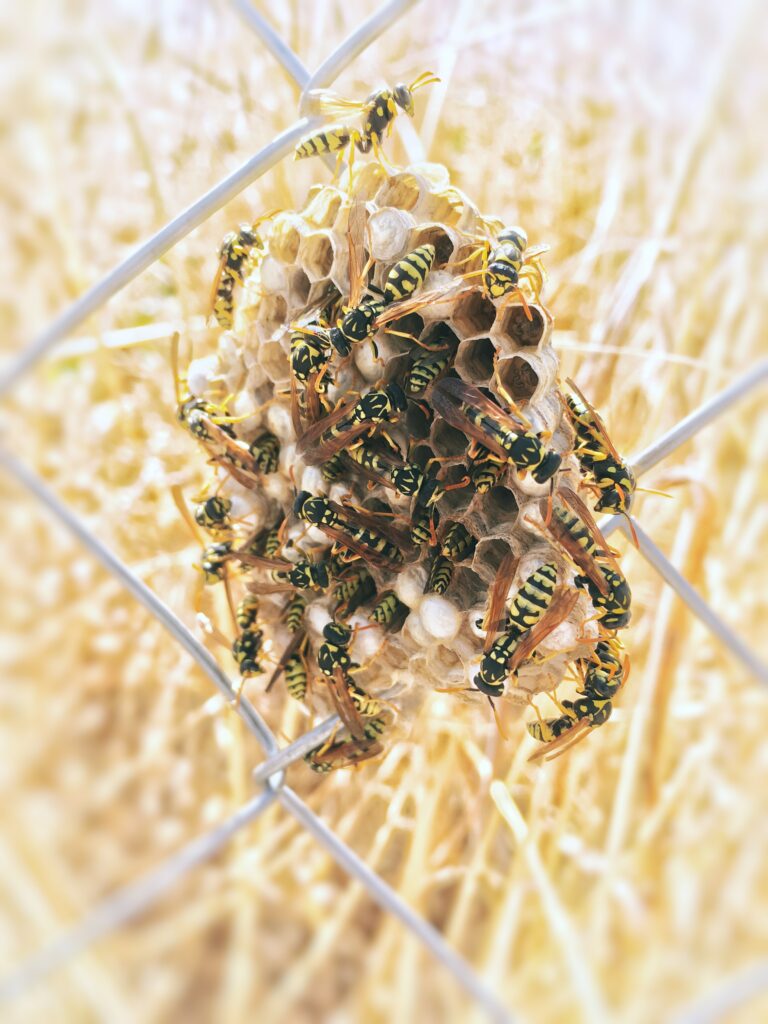
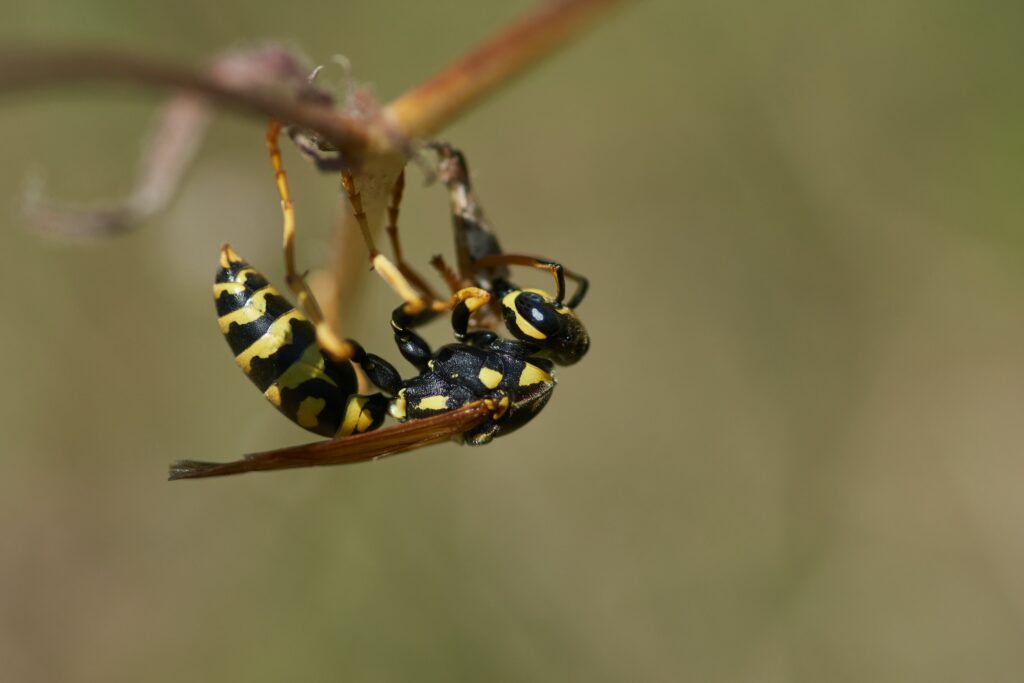
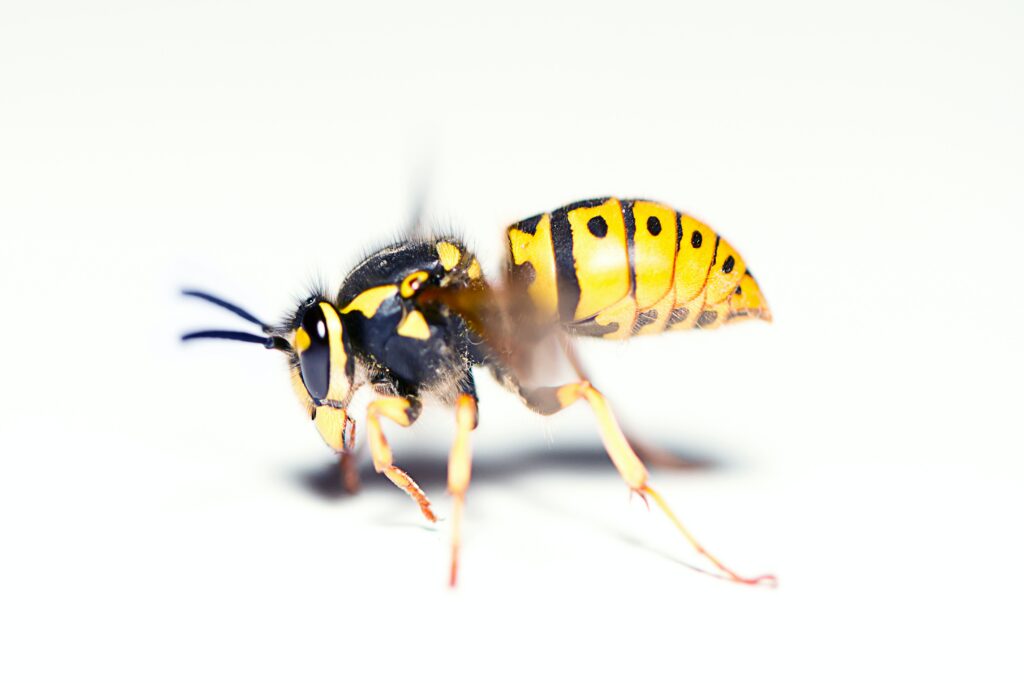
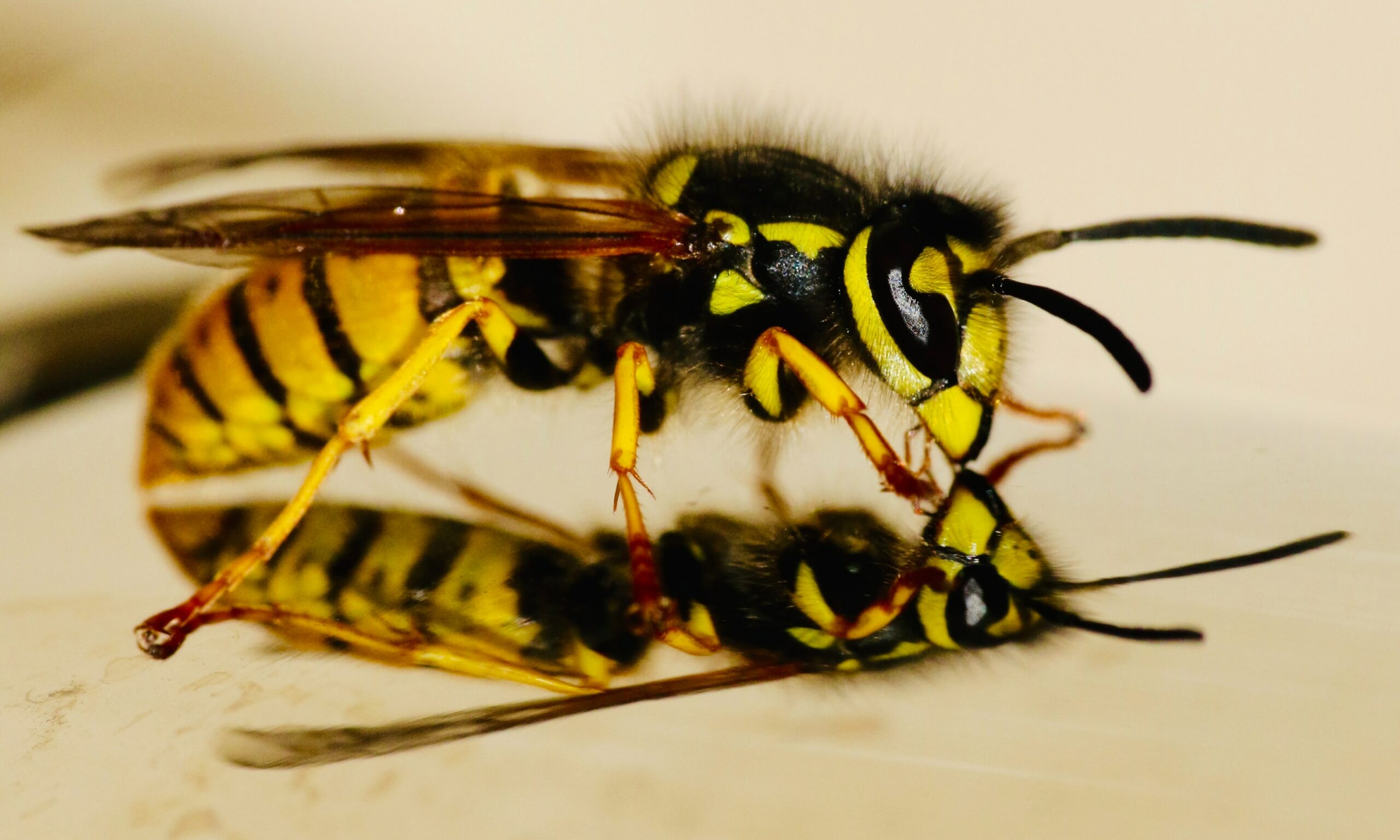
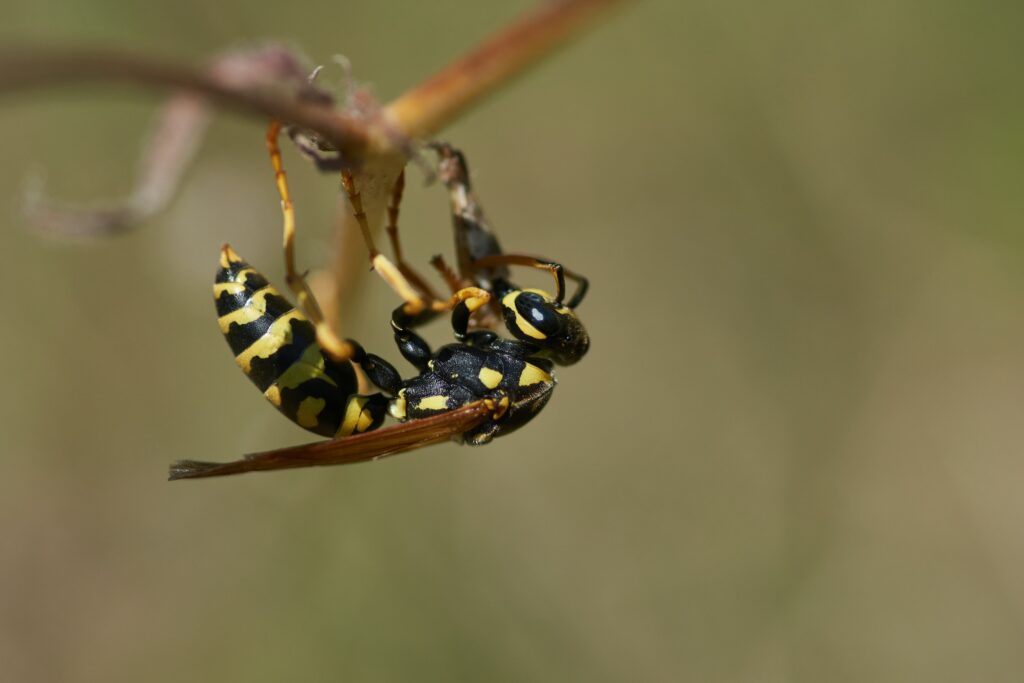
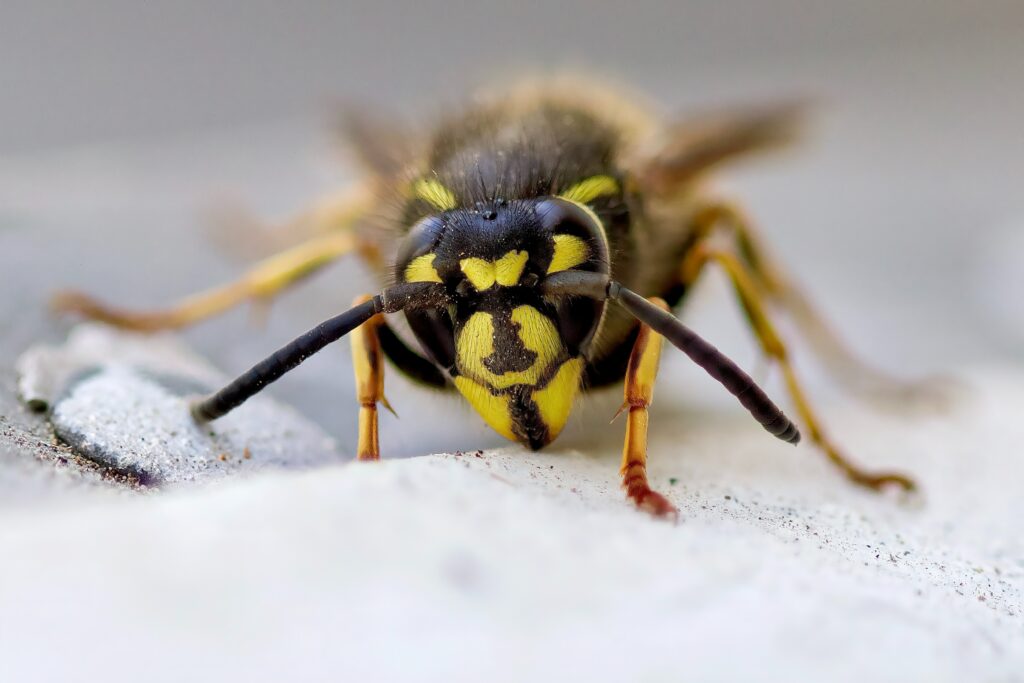
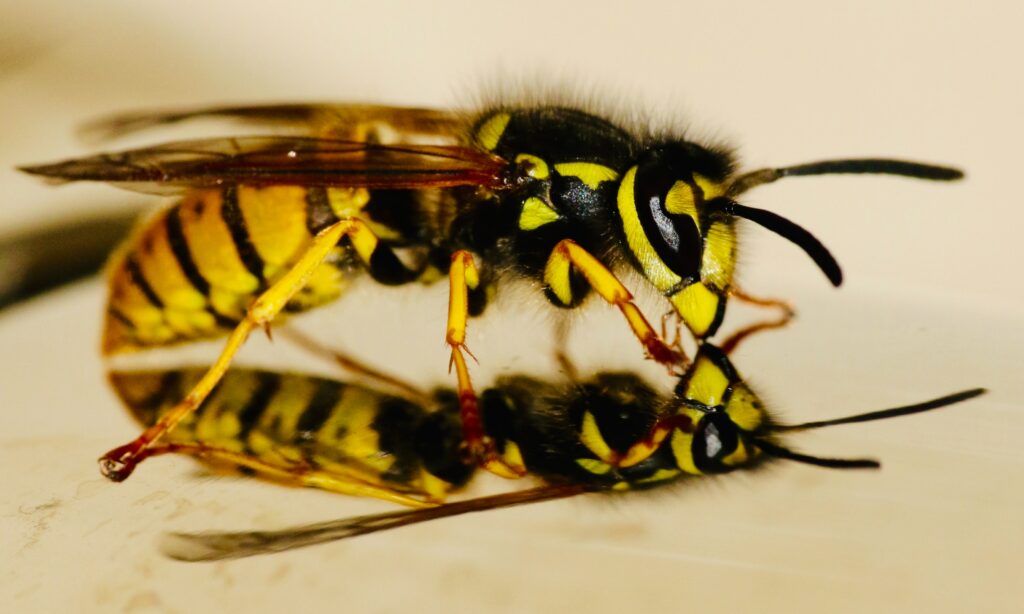
Different species of wasps have different appearances but all wasps have a features in common. These include a long thin body shape, cylindrical legs, narrow waist, pair of wings, tiny hairs covering its body, and shiny appearance. A few of the most common types of wasps in Alberta are yellow jackets, bald-faced hornets, and paper wasps.
Why Do I Have Wasps In Edmonton?
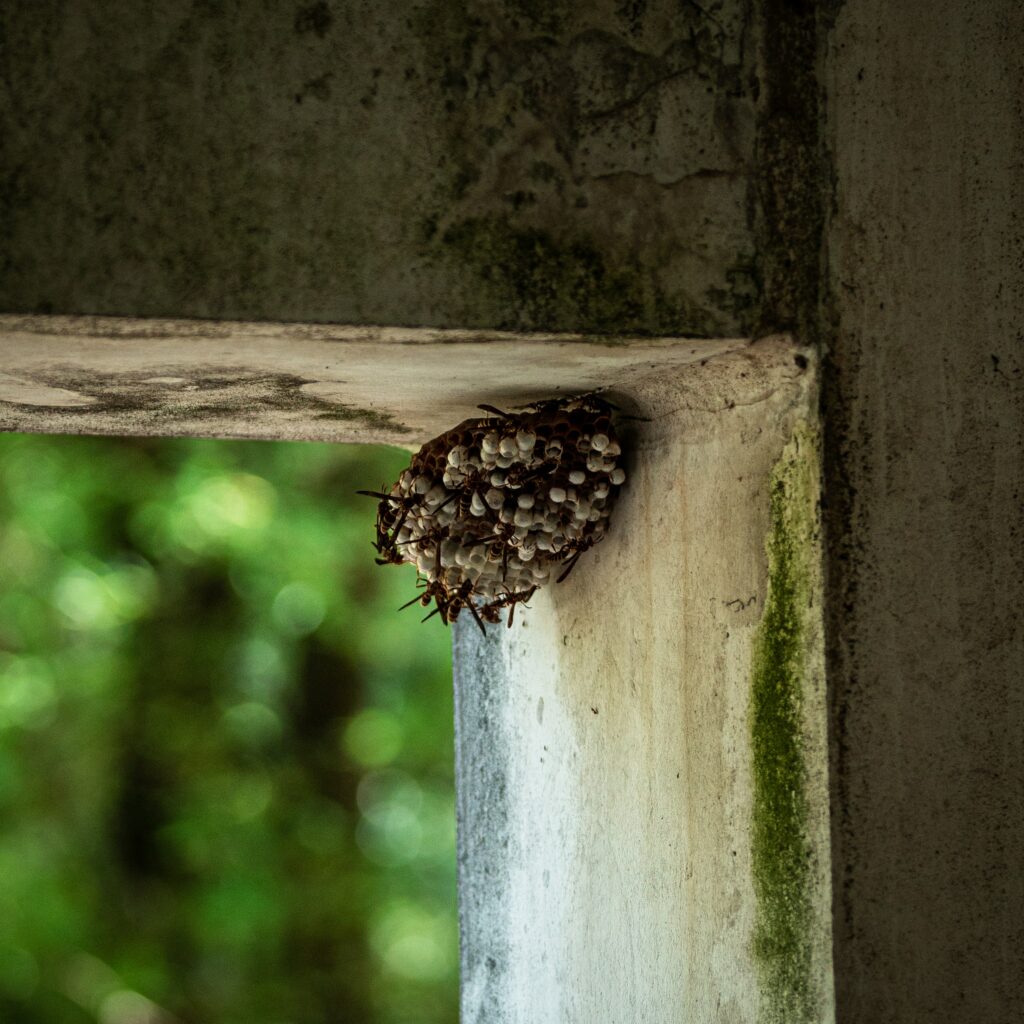
Overwintering queens may seek out low traffic areas of homes and structures, such as attics, outbuildings, or other storage spaces. Previously used animal burrows outside the home can provide suitable nesting sites and may therefore attract wasps to the property. Additionally, wasps may nest in bare or sandy soils, within wall voids, in abandoned vehicles, or in tree cavities found near the home around the property. They may build their nest in any spot around your home or property. They usually get in through small access points around the property.
What Attracts Wasps To Your Edmonton Home?
Wasps are attracted to human environments and activities primarily due to the presence of foods or garbage. Wasps tend to be attracted to scents. Some wasps may even swarm you due to the scent of your cologne. Areas that contain smaller lesser insects will also attract the wasps! Wasps will tend to eat insects and arachnids so having another pest problem could lead to a wasp infestation!
How To Prevent Wasps In Edmonton
No one wants insect pests, so it’s best to prevent them before you have to get them removed. We have put a small numbered list on ways we recommend to prevent wasps from entering in and around your property:
1. Remove all the sources of food around your porch and property, this includes rotting fruit and berries.
2. Keep your doors and windows shut. Make sure your doors and windows are properly sealed so the wasps cannot slip through.
3. Regularly check for nests being built to stop the problem before it gets out of hand.
4. Seal your garbage cans and compost. If they can’t get into some of the food they enjoy then they are less likely to nest nearby.
5. Pick up your trash. Make sure no garbage is on your property.
Where Do Wasps Live In Edmonton, And Why?
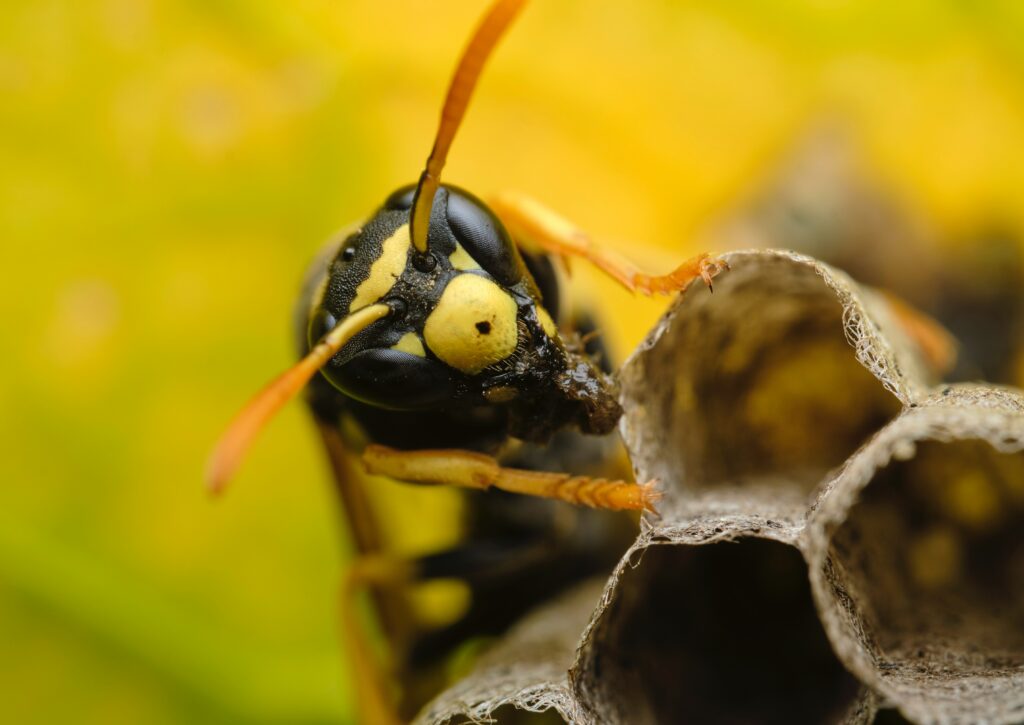
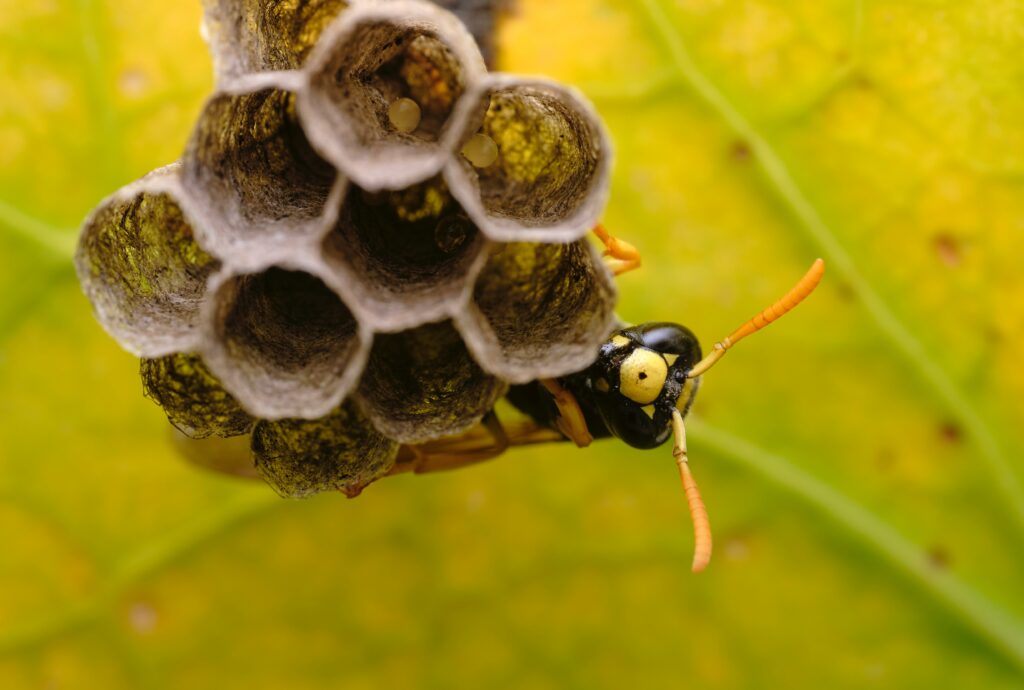
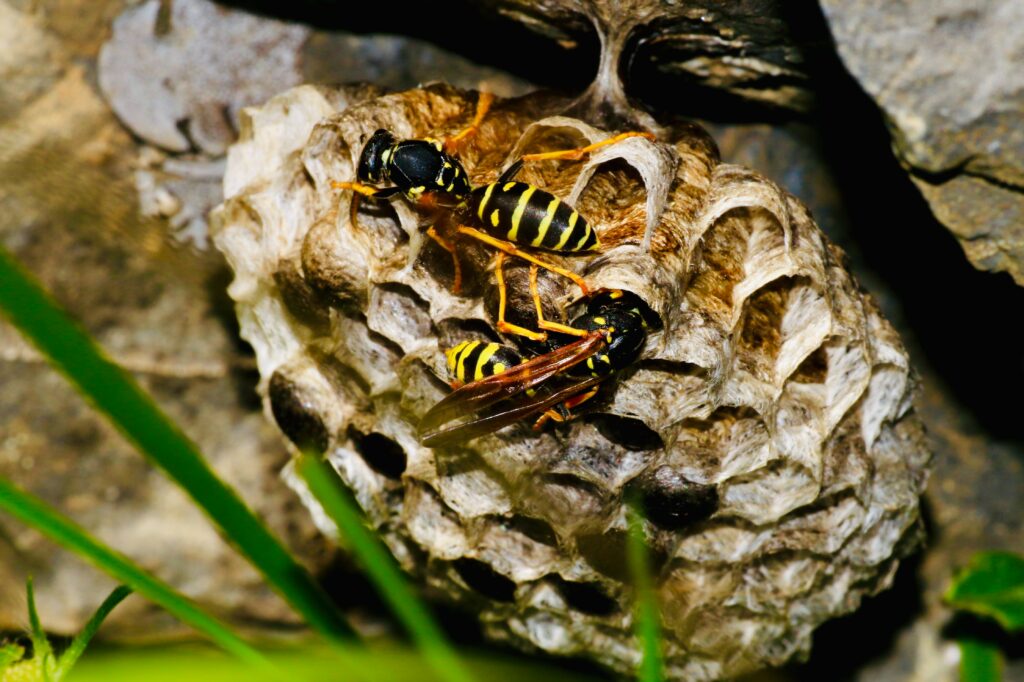
Wasps prefer to build their nests underground or in greenery such as shrubs, trees, and bushes. Many species of wasps especially around Edmonton will either create their own nest or assume nests made by other creatures such as other wasps or smaller mammals. Voids in your walls or windows/doors may cause wasps to nest inside your home.
Video On Removing Wasps In Edmonton
D.I.Y. Ways To Remove Wasps
Insecticide sprays designed for wasps can be effective when they make contact with the insect. However, they can also irritate a nest, causing it to become more active. Because of the high degree of danger associated with stings, the best way to handle a wasp issue is to contact a licensed pest professional who can remove or relocate the nest.
How can I tell the difference between bees and wasps?
Bees and wasps belong to Order Hymenoptera and are closely related. The primary difference between them is that wasps are carnivores and frequently feed on other insects.
What is a wasp’s role in the environment?
Although wasps are considered pests, they are not generally parasitic. Wasps benefit ecosystems as important pollinators and by consuming crop pests and those found in the garden. A few species of wasps, especially jewel wasps, also control cockroach populations. Additionally, many different species of beneficial insects make their homes in wasp nests, including pollinating hoverflies.
In what locations do wasps build their nests?
Different nesting locations are preferred by different species of wasps. Among the most common are tree branches, building fascia, and on the ground. Additionally, compost heaps are preferred by some wasps.
How long does a wasp nest last outdoors?
Typically a wasp nest will last for one season as the majority of the wasps die off by late autumn. Next the queen enters hibernation and will reestablish the nest in the following spring. In the case of a wasp infestation that’s not causing problems, one approach is to wait until it resolves itself. In addition, you can utilize repellants while waiting it out to deter wasps from approaching you or entering particular area of your property.
How long is the lifespan of a wasp?
Queen wasps live to approximately one year of age while worker wasps live from 12 to 22 days. Among workers, females outlive males. The wasp lifespans is dependent upon a numbers of other variables such as predation.
Will a wasp attack a bee?
Generally wasps and bees coexist without problems, both foraging and pollinating in the environment. However bee larvae is an attractive food item for wasps, and wasps are known to raid bee hives for food. Typically numerous wasps participate in the raid. When successful, wasps can seriously damage the bee colony, including killing bees and larvae and stealing honey.
Which trees are attractive to wasps?
Some plants and trees are especially attractive to wasps, particularly those that allow for foraging and nesting. In the late summer months, wasps may be attracted to soft fruit trees such as plum trees which bear ripened sweet fruits as a food source.
How do I treat a wasp removal Edmonton project?
Attempting to get rid of a wasp infestation on your own is not recommended. Wasps are territorial and aggressive and will readily sting when they feel threatened, which includes simply being near the nest or swatting them away. The best way to deal with a wasp problem is by calling on the professional extermination services at Major Pest Control.
How Much Does Professional Wasps Control Cost?
Wasp control is something people always dread because they think it costs an arm and a leg when in reality it isn’t bad at all! Our experts on site will give you a detailed inspection and quote. Usually for an wasp removal Edmonton it will cost around $300 – $1,000 depending on the severity and size of the wasps nest.
Where Can You Find Wasps In Edmonton ?