


5 Warning Signs You Might Have a Bed Bug Infestation in Your Home

Let’s talk about something no Edmonton homeowner wants to deal with—bed bugs.
Waking up with itchy bites, seeing strange stains on your sheets, these could be early signs of a bed bug infestation. If you are confused about “how do I know if I have bed bugs?” are all red flags you shouldn’t ignore.

Let’s break this down together: what bed bugs are, how to identify the signs early, and where to check (such as your mattress, furniture, or even clothes). By the time you’re done reading, you’ll know exactly what to watch for and what steps to take if you spot anything unusual.

Five Warning Signs You Might Have a Bed Bug Infestation in Your Home

What are Bed Bugs?

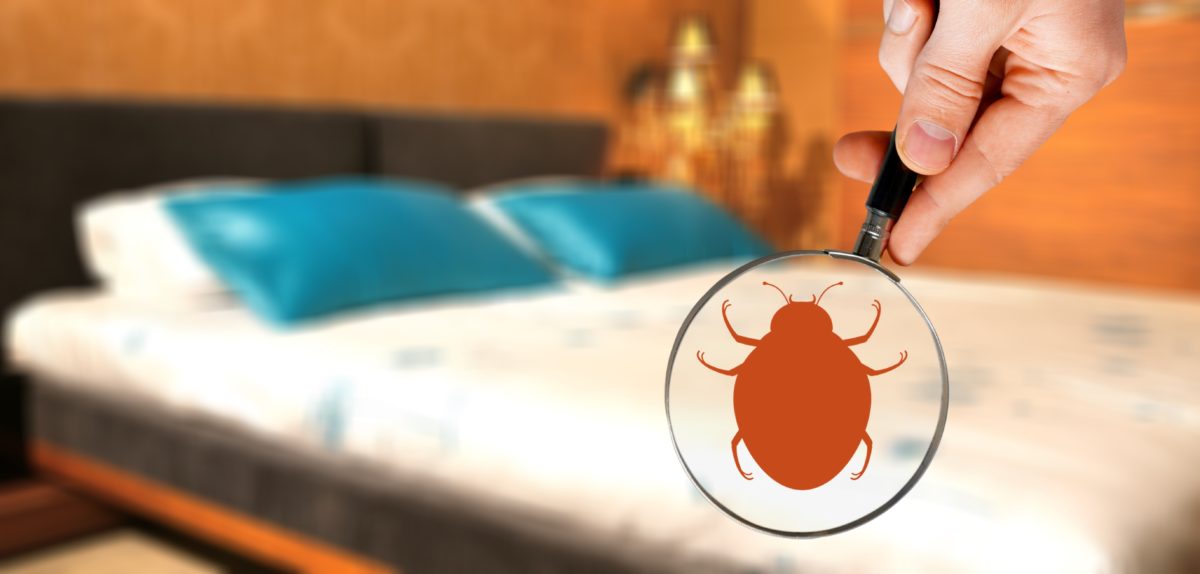
A bed bug is a notorious and annoying creature, to begin with. It is a tiny, flat, reddish-brown insect about the size of an apple seed. They feed on human blood, mostly at night. They’re sneaky little pests that love to hide in cracks, mattress seams, and furniture.

And no, you’re not dirty if you have them. They’re hitchhikers. I’ve seen them ride in on suitcases, second-hand furniture, or even from a neighbour’s unit in an apartment building.

How Do You Know If There Are Bed Bugs?

There are five solid signs I always tell people to watch for when doing a bed bug check:

1. Itchy Red Bites? That’s Not a Coincidence

One of the first things people notice is the presence of bed bug bites, which appear as small, red, itchy bumps, often in a zigzag or cluster pattern. These bites usually show up on your face, arms, neck, or any area left uncovered while you sleep.

If you’re thinking, “How to tell if you have bed bugs” or “How to know if there are bed bugs,” those irritating bites are often the very first clue.

2. Strange Spots on Your Sheets

Here, you will learn how to inspect your bed for bed bugs or early signs of infestation on your sheets; this is your wake-up call, literally.

  • Look for tiny blood stains on your pillowcases or bed sheets. These may be from crushed bed bugs after they’ve fed.
  • Check for dark smears or spots. Often left behind as droppings from bed bugs.
  • Find rusty-coloured dots, especially near seams and edges. These are fecal spots, a key sign of a growing bed bug infestation.
  • Focus on early morning clues. If you notice new marks after a night’s sleep, don’t ignore them.
  • These aren’t just dirty marks; they are bed bug warning signs and your literal wake-up call to act fast.

3. Odd Smell in the Room? Trust Your Nose

You can literally smell bed bugs. It’s one of the most obvious indicators of an infestation. The scent is musty, reminiscent of damp fabric or coriander.

Try to concentrate on:

  • A strange, lingering smell in bedrooms or living spaces.
  • Odour that intensifies near bedding or upholstered furniture.
  • Rooms that still smell unpleasant, even after thorough cleaning.
  • If you have a strong, musty smell that persists, you should conduct an immediate bed bug inspection.
How Do You Know That You Have a Bed Bug Bite?

4. Shed Skins and Eggs in Unusual Areas

During their lifecycle, bed bugs shed their skins several times. These cast-off shells, along with eggs and eggshells, often pile up where the bugs are hiding. Common locations that need to be inspected:

  • Mattress seams and folds
  • Around the edges or back of headboards
  • Deep in sofa cushions
  • Baseboards, wall cracks, or behind peeling paint

These are the signs you will see:

  • Empty, translucent bug shells
  • Pale yellow eggs, often grouped together
  • Clusters of debris in hidden areas

Identifying bed bugs themselves? Look for reddish-brown insects about the size of an apple seed—flat, oval, and quick to hide when exposed.

5. Hiding in the Mattress and Beyond

How can you see bed bugs? It takes more than a quick glance. You need to check hidden, tight spaces where they feel safe.

Start your inspection in these spots:

  • Underneath the mattress tags, corners, and seams
  • Inside box springs or bed frames
  • Along furniture joints and behind wall hangings
  • Electrical outlets near the bed

What you might notice:

  • Black streaks or dots from faecal matter
  • Bug casings from moulting
  • Live bugs, especially in the early morning

Don’t forget to check cracks in bed frames, behind wall hangings, in electrical outlets, and inside couches. When people ask how to know if there are bed bugs or how I find bed bugs, this is exactly where we look.

How Do You Know If There Are Bed Bugs?

For a detailed understanding of bed bug behaviour, you can refer to resources like the CDC’s guide on bed bugs.

Still Not Sure? Here’s How to Check for Bed Bugs at Home

It’s not always obvious. That’s why we suggest a full bed bug check if you spot any of the above. Here’s how to check for bed bugs like a pro:

Don’t overlook clothing. Check folded clothes, closet shelves, and dresser drawers for dark specks, shed skins, or tiny eggs, especially near seams and corners.

  • Inspect the seams and edges of your mattress and bedding. Pay attention to the corners and tags.
  • Use a flashlight to scan behind headboards, along furniture joints, and around baseboards where light doesn’t normally reach.
  • Place interceptor traps under each bed leg. They catch bugs moving to or from the frame and help confirm activity.
  • Remember: bed bugs do not jump or fly. So if something’s leaping, it’s likely not a bed bug.
  • Don’t overlook clothing. Check folded clothes, closet shelves, and dresser drawers for dark specks, shed skins, or tiny eggs, especially near seams and corners.
  • To minimise the risk of bringing bed bugs into your home, consider following the tips from PestWorld, which provides practical advice on avoiding infestations while travelling.

What Causes Bed Bug Infestations?

They’re excellent hitchhikers. Bed bugs don’t just crawl into your home; they hitch a ride.

Travel, used furniture, visitors, or even shared laundry rooms can be the source. If you’re thinking How do you know if there are bed bugs, ask yourself: Did you recently stay in a hotel or buy second-hand items?

Prevention Tips: Stop the Infestation Before It Starts

While you’re asking how to tell if I have bed bugs, focus on prevention too:

  • Use mattress encasements: They trap bugs and make inspections easier.
  • Vacuum regularly: Use the vacuum on baseboards and the seams of furniture.
  • Declutter: Clutter provides bed bugs with hiding places.
  • Inspect after travel: Always clean your luggage and clothes after returning home.
Prevention Tips for Bed Bug Infestation

When It’s Time to Call the Professionals

Dealing with a bed bug infestation can quickly become a headache. Once multiple signs start appearing, such as bites, unusual odours, or stains on your sheets, don’t delay. These pests are persistent, and DIY methods often fall short.

That’s where we come in. At Major Pest Control, we use

Let us take the pressure off. We’ll handle the infestation so you can get back to sleeping peacefully.

  • Safe, proven treatments for your home and family
  • Advanced heat (thermal) remediation for deep elimination
  • Follow-up inspections to confirm success
  • Fast, accurate identification and removal of bed bugs

For a comprehensive checklist on how to inspect for bed bugs, the University of Kentucky’s Entomology Department offers excellent resources.

FAQs

Q: How do I know if I have a bed bug infestation?

If you’re waking up with itchy bites you didn’t have the night before, especially in a line or cluster, that’s a big clue. Take a close look at your sheets; tiny blood spots or dark stains near the seams are another big clue. And if your bedroom suddenly has a weird, musty smell that won’t go away, it’s worth checking your mattress and furniture. Spotting even one bug means it’s time to act.

Q: What are the early signs of bed bugs?

You may miss the early signs if you are unaware of them. Look for the following:

  • Tiny, reddish-brown bugs are hiding in the mattress’s seams.
  • Small, dark droppings or smears on sheets.
  • Shed skins or pale eggshells near bed frames or baseboards.
  • Unexplained bites on exposed skin after sleep.

Q: Where do bed bugs hide during the day?

During the day, bed bugs hide in tight, dark spaces near where people sleep. Common hiding spots include:

  • Mattress seams and behind headboards
  • Cracks in bed frames, walls, and floorboards
  • Inside nightstands, electrical outlets, or picture frames
  • They avoid light and prefer undisturbed areas close to a blood meal source—meaning you.

Q: Can you see bed bugs with the naked eye?

Yes, adult bed bugs are visible to the naked eye without a microscope. They’re about the size of an apple seed—flat, oval, and reddish-brown. After feeding, they swell slightly and become darker. Eggs and newly hatched nymphs, however, are much smaller and harder to see unless you’re looking very closely in good lighting.

Q: How can I tell if bedbugs are in my clothes?

Bed bugs don’t live in clothing full-time, but they can hide there, especially in items left on the floor or packed away. To check:

  • Inspect seams, folds, and pockets for dark specks or tiny white eggs
  • Shake out clothes over a white surface to catch movement
  • Wash and dry suspected items on high heat to kill any bugs or eggs
  • If you’ve been exposed to an infestation, bag your clothing until it’s been treated.

Q: Can I get rid of bed bugs without an exterminator?

It’s possible to reduce a mild infestation using DIY steps. You can use vacuuming, steam cleaning, laundering on high heat, and using bed bug-proof encasements. However, bed bugs are incredibly resilient. They often hide in hard-to-reach places.
For moderate to severe infestations, professional treatment is the most reliable way to eliminate them completely.

Q: Are bed bug bites harmful to your health?

While bed bug bites don’t transmit disease, they can cause some health issues, like:

  • Itching continuously.
  • If you are sensitive, you may have allergic reactions.
  • You can have skin infections from scratching.
  • Also, anxiety or sleep disruption may occur.

Final Advice for Homeowners

If you’ve been searching for answers like how to look for bed bugs, how to know if there are bed bugs, or how to tell if bedbugs are in your home, it’s time to take action.

  • Don’t ignore the early signs, such as bites, blood spots, or that distinct musty smell.
  • Check beds and soft furniture thoroughly and regularly for cleanliness.
  • And if you’re unsure or want peace of mind, get a professional inspection.

Major Pest Control is here to help every step of the way. Book your bed bug check today, and let’s make your home bug-free, for good. Don’t let these pests disrupt your peace of mind—take proactive steps to protect your living space. Contact us today.